
Enter the studio of any serious hat-maker, and you will see the same fundamental set of tools within arm reach of the working table. Not due to the lack of imagination on the part of hat makers, but because some tools have been found indispensable in all style, all materials, and all degrees of experience. This is what they are and why serious makers will not work without them.
The Hat Block: the basis of all Shapes
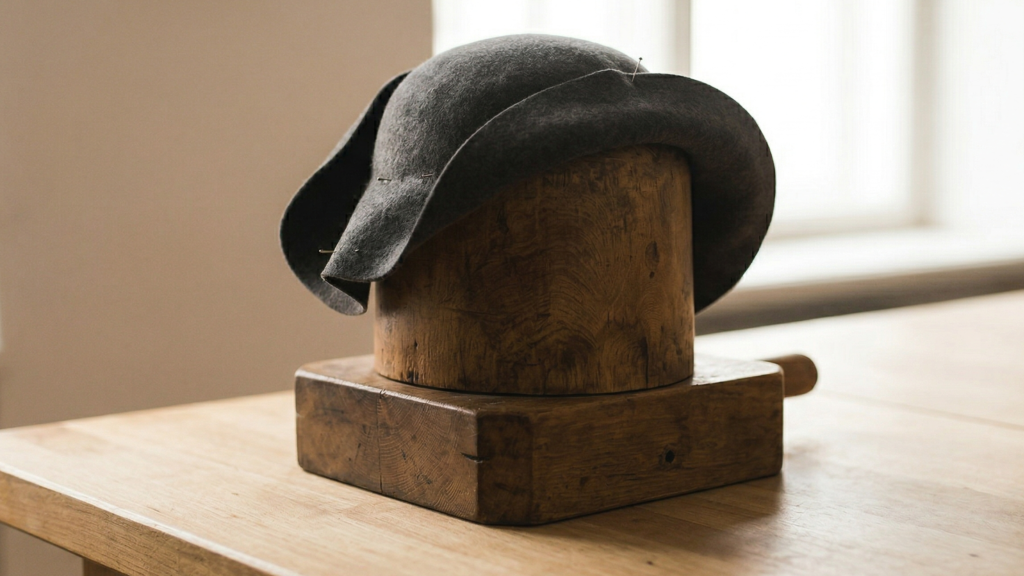
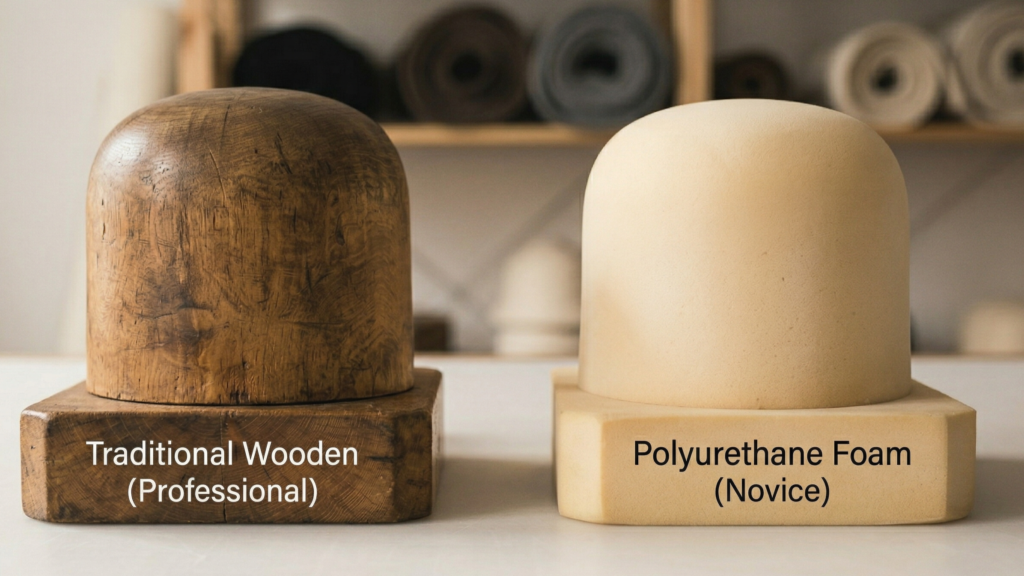
No article, though, in the workshop of any hat maker is so significant as the hat block, the article which will distinguish between a hat which retains its shape and one which does not. Hat blocks, traditionally made of wood, are a three dimensional shape, over which fabric, felt, or straw is stretched, steamed, and dried into a permanent shape. A good wooden block is very costly, accurate and practically unbreakable. Novices typically begin with polyurethane foam blocks, which cost less and weigh less, but still perform the same basic purpose. A hat is merely a piece of cloth, hopefully put together. One makes it architecture.
The Steamer: Heat, Moisture and the Magic of Malleable Felt

Felt is not a hat. Left to itself it desires to be flat, hard and absolutely unyielding to curves. Home makers usually begin with a domestic garment steamer, which is sufficient to work with the lighter felts and simpler forms. It is the same principle whatever be the equipments: heat renders it forthcoming, and collaboration renders the craft feasible.
Pins Blocking – Keeping it All in Place as it dries
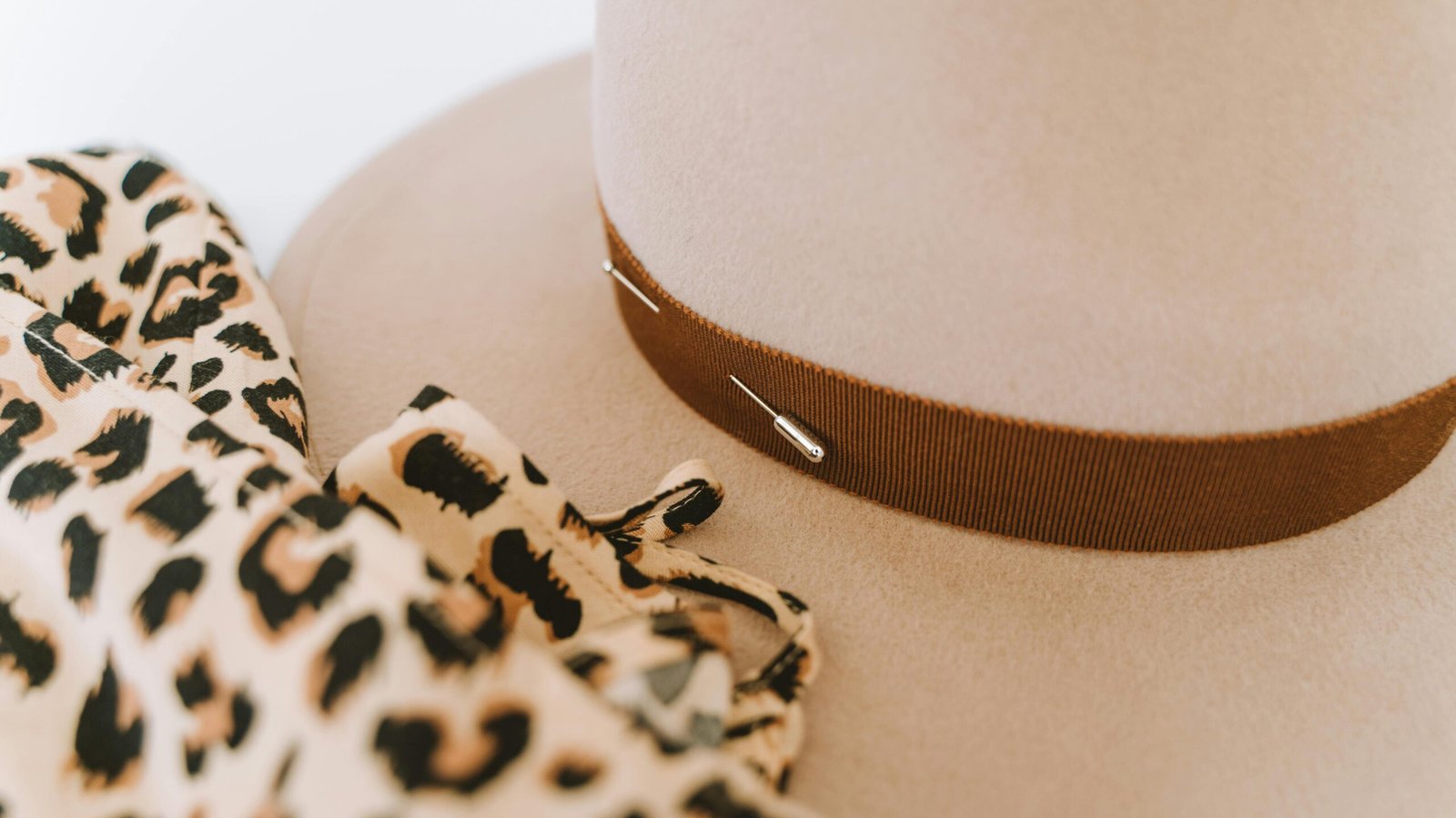
A hat, which is left to its own devices, and which comes over a block, will not keep where you leave it. As felt or fabric cools and contracts it moves, slips and makes little independent choices as to where it would rather sit, most of which are not conducive to where you want it to be. The tool that does not allow this negotiation to occur is blocking pins. An instinctive sense of where to place the pin is attained by the experienced makers, and can be acquired by beginners only by patience and a few bad Brims.
The Brim Gauge- Finish That Shows in the Finished Hat
Any brim raised by even a few millimeters is an uneven brim, and the eye will tell the brain (though the brain will not be able to explain it at once) that the hat looks slightly wrong. This is prevented by the brim gauge. The brim gauge is a step that cannot be compromised by the professionals. Its uniformity is seen in each hat it finishes.
Millinery Wire – the Undercover Skeleton to Every Clean Edge
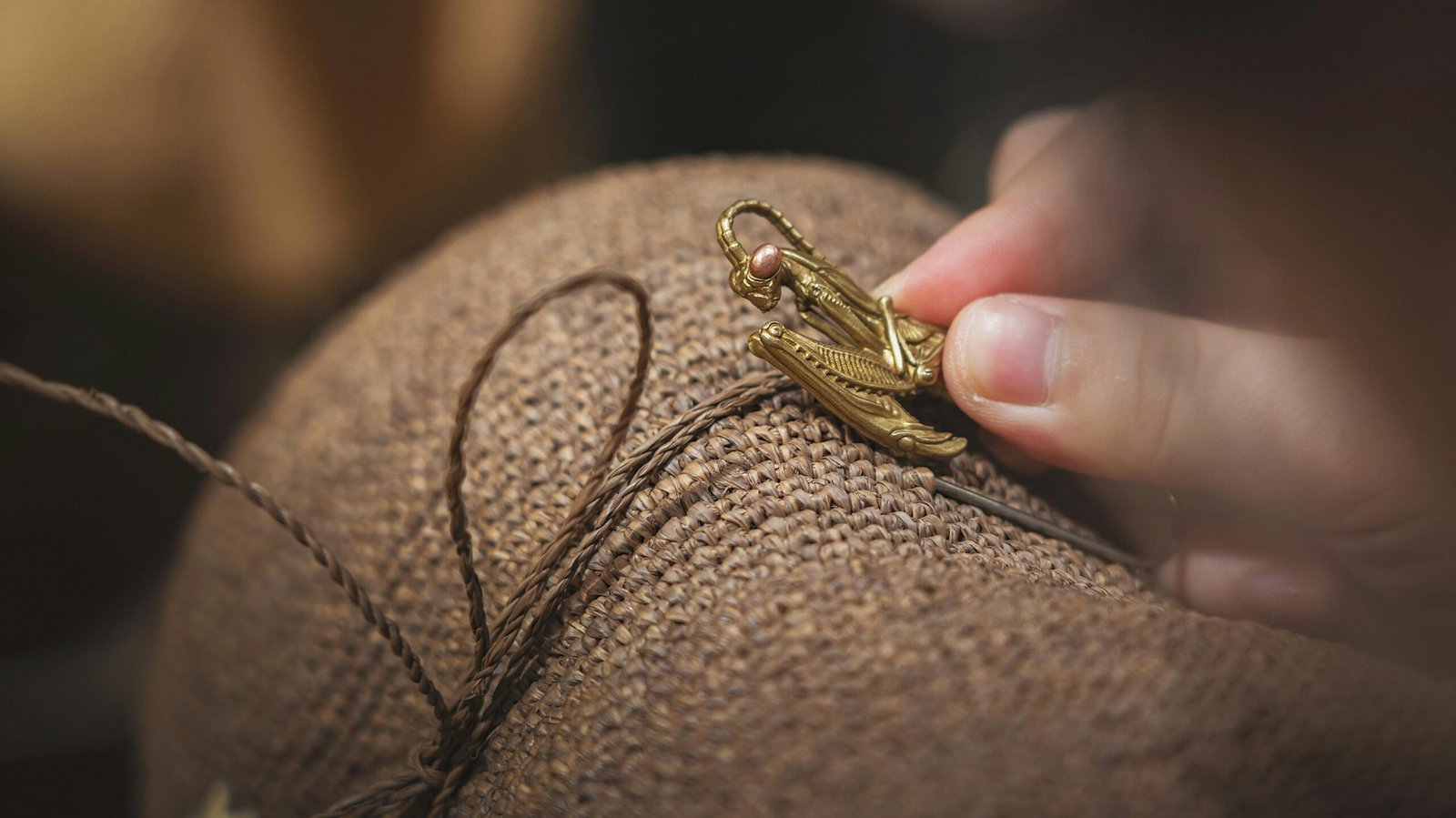
Take a hat that is professionally produced and bend the curve of the brim with your fingers. What you touch is not the stuff of fabric or felt, which maintains its form by mere obstinacy. To sew a millinery wire on to a garment, one needs a certain hand stitch that holds the wire overlay without running under the fabric to the top, so again, one has to practice it, and the results are worthwhile, as no other.
The Sewing Awl – Needling Where a machine can not penetrate
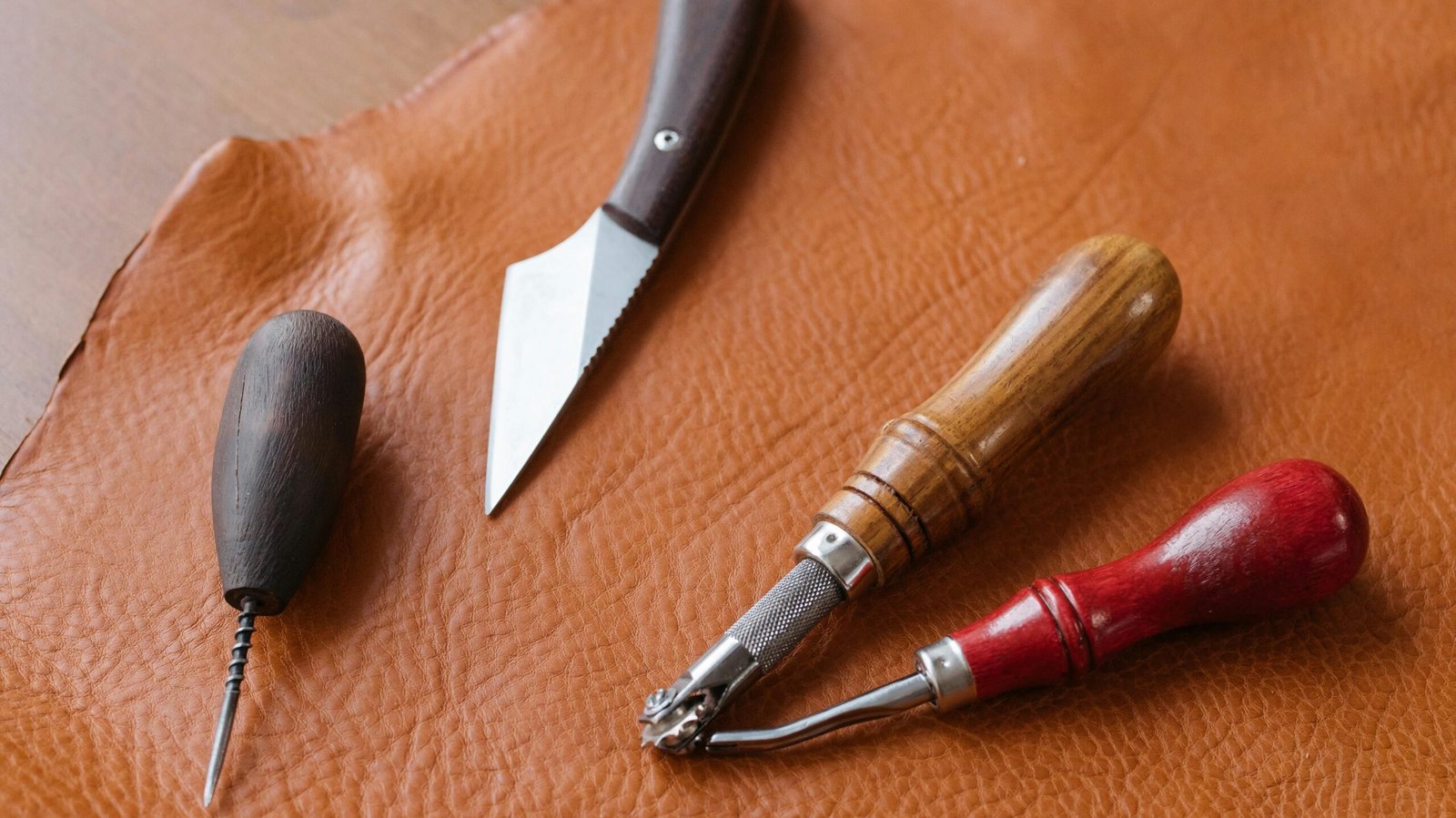
The art of hat-making uses a great deal of hand labour where a sewing machine will never penetrate. It is less fast than machine sewing, more concentration intensive, but the access it offers is unparalleled. All hat makers who are professionals have one. All amateurs who attempt to complete a hat without one soon learn why.
The Pressing Ham – Making Seams on a Round Planet

A pressing ham is a hard-stuffed, material-covered cushion, about the size of its name, used to give a curved surface of pressing to curved seam and construction in three dimensions. Professional makers have multiple sizes at hand. The small end is used in tight crown seam and interior finishing. The extended curve deals with brim work and side crown shaping. On a flat surface one gets creases, distortions and a flatness which a hat never ought to possess.
