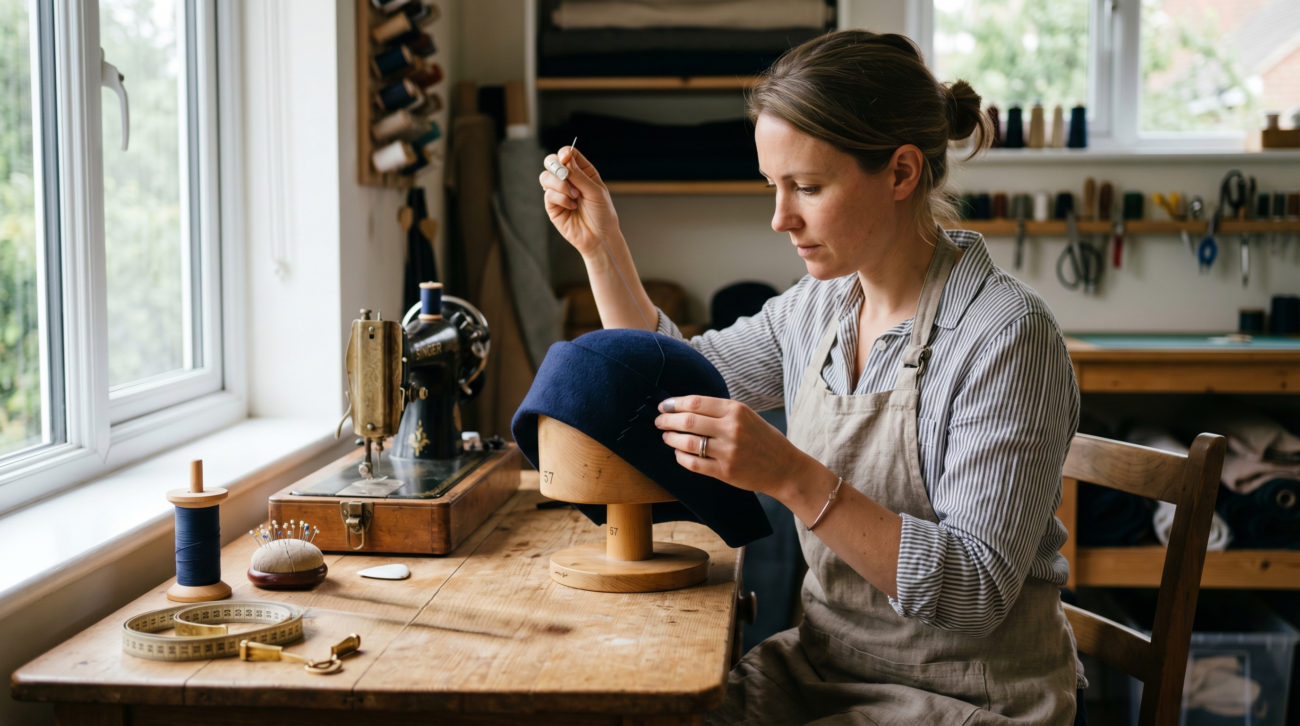
Making custom hats at home sounds complicated until you see how easy the primary setup really is. Most people already have got several what they need and comfort is low cost and easy to find. You don’t need a specialized workshop or expensive equipment to get started. Just know what the issues really are and what can wait until later.
A Sewing Machine
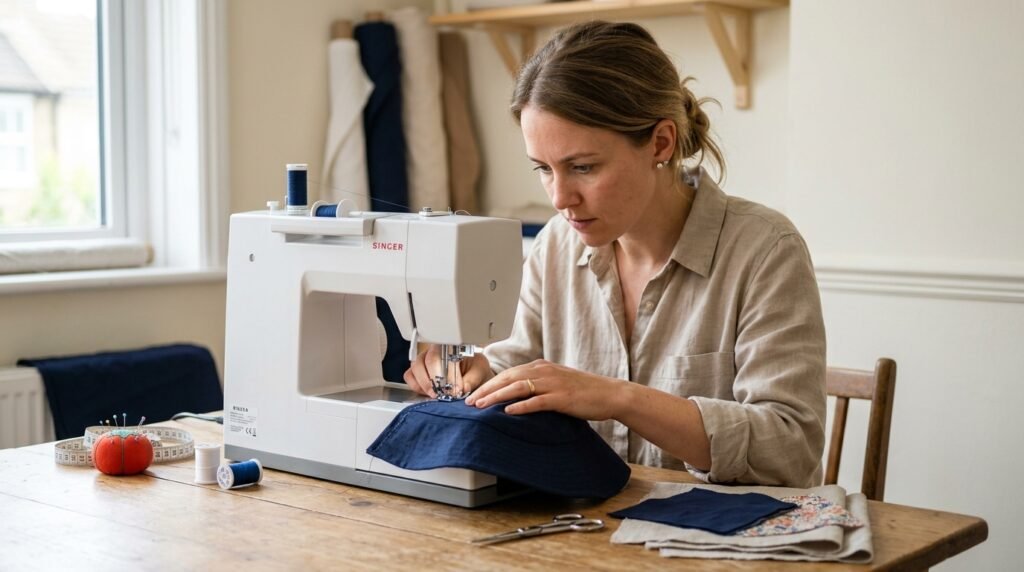
The single most important tool for hat making. A basic model handles most hat fabrics without any issues. Heavy duty stitching becomes relevant later but a standard machine is more than enough to start with.
Hat Blocks
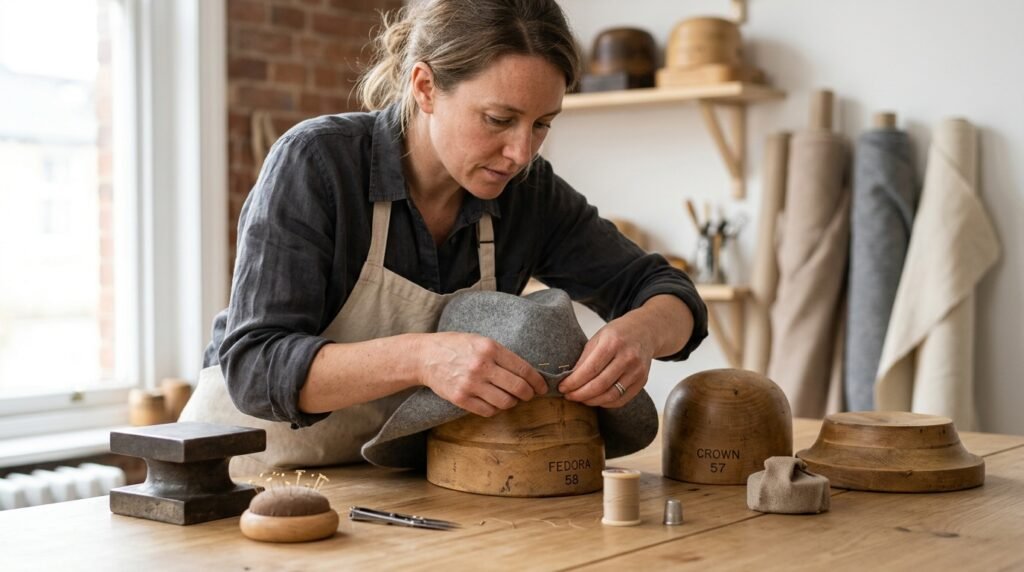
These are the forms that give a hat its shape during construction. Wood or plastic blocks are available in most standard hat sizes and having a few different shapes opens up more style options immediately.
Fabric Scissors
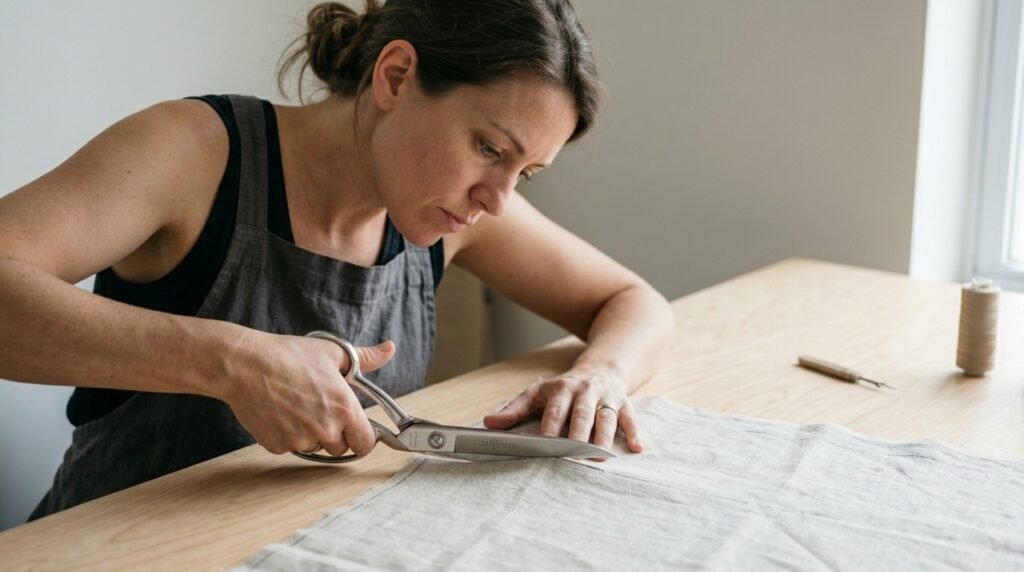
Regular scissors drag and distort fabric edges. A sharp dedicated pair of fabric scissors makes clean precise cuts that affect how every seam comes together in the finished piece.
Measuring Tape
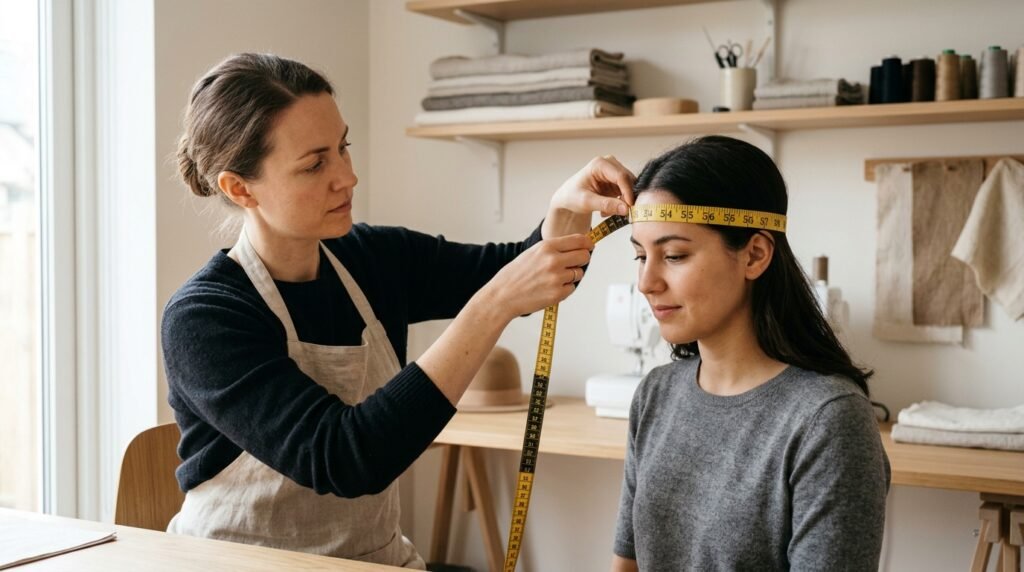
Hat sizing requires consistent accurate measurements. A flexible tape measure handles head circumference and brim dimensions in a way that rigid rulers simply cannot.
Millinery Wire
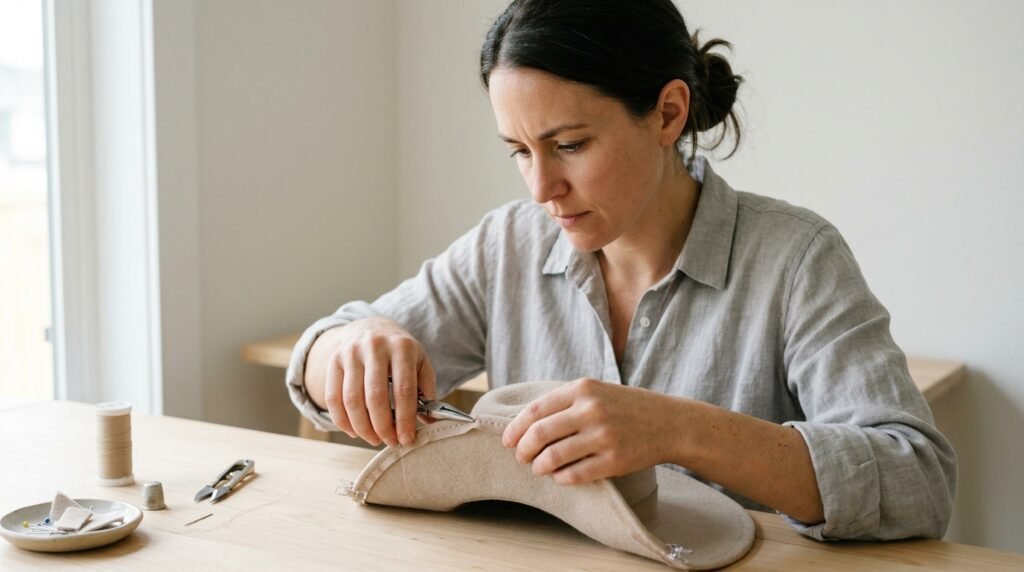
This goes into brims to hold shape and structure. Without it brims sag and lose their form quickly. It is inexpensive, easy to work with, and makes a visible difference to the finished hat.
Iron and Pressing Cloth
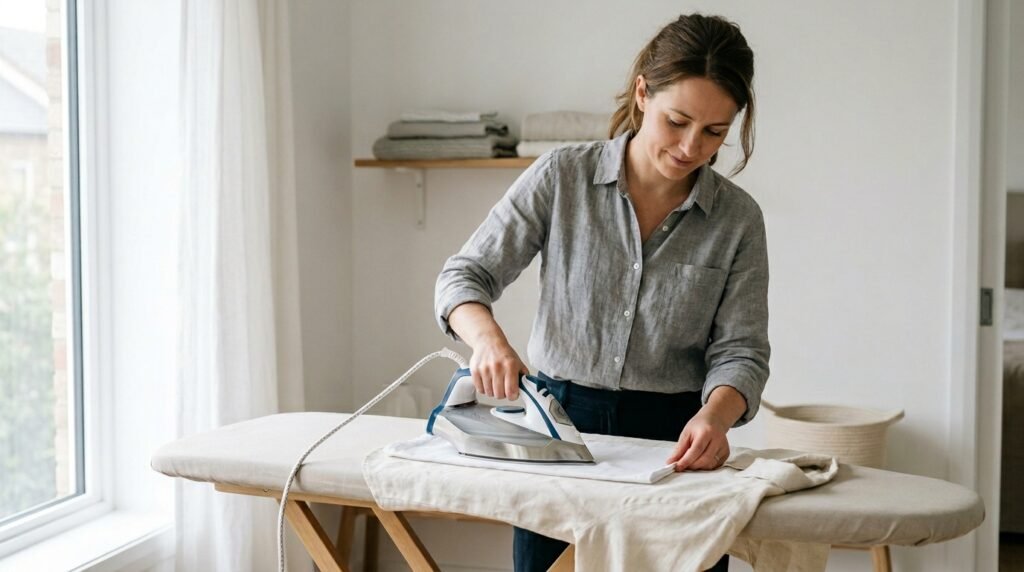
Pressing seams flat at each stage of construction keeps the hat looking clean and professional. A pressing cloth protects delicate fabrics from direct heat and is worth keeping close throughout the whole process.
Thimble
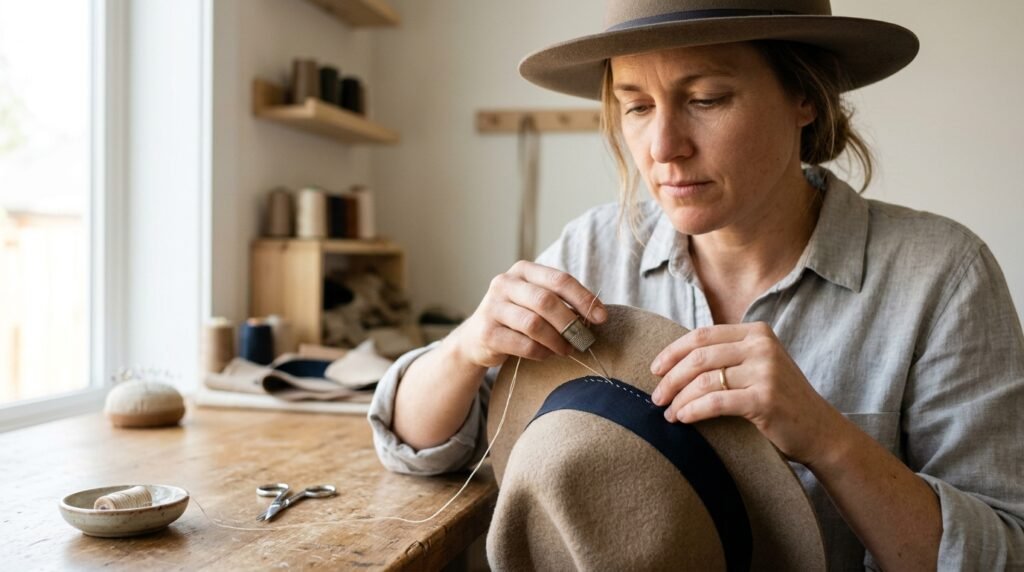
Hand stitching parts of a hat is unavoidable especially around the sweatband and finishing details. A thimble protects fingers during those stages and makes the whole process significantly more comfortable.
Strong Thread
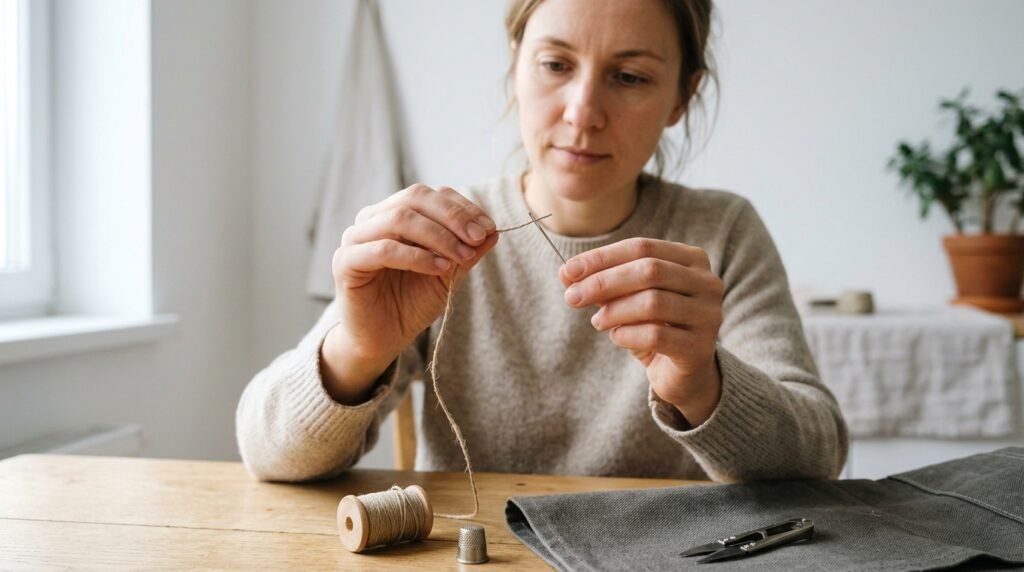
Regular thread breaks under the tension hat construction requires. A heavier duty thread in matching or contrasting colors depending on the design holds seams properly and lasts through regular wear.
Seam Ripper
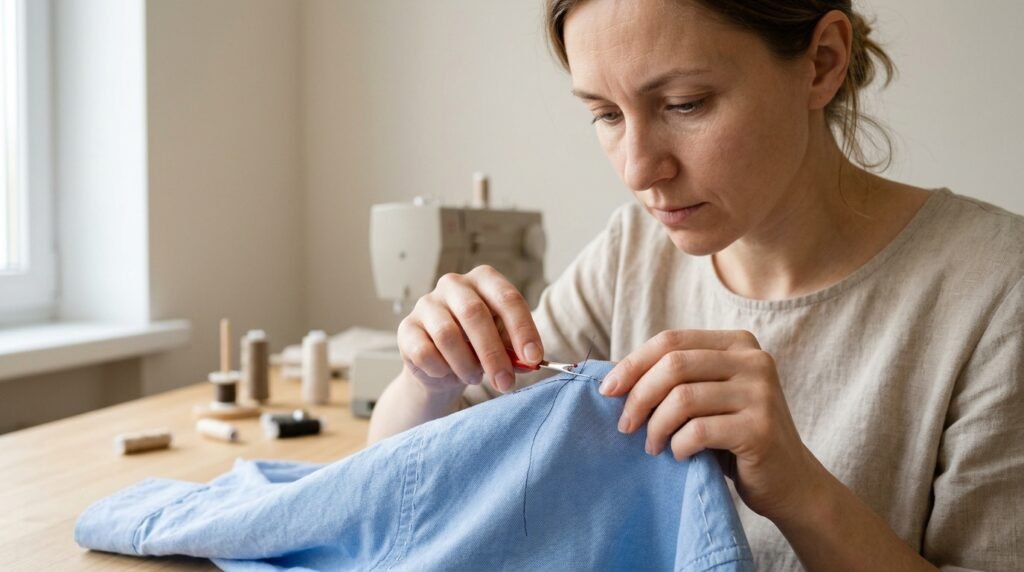
Mistakes happen and being able to undo stitching cleanly without damaging the fabric is essential. Every experienced hat maker keeps one close because needing it is not a question of if but when.
Sweatband Material
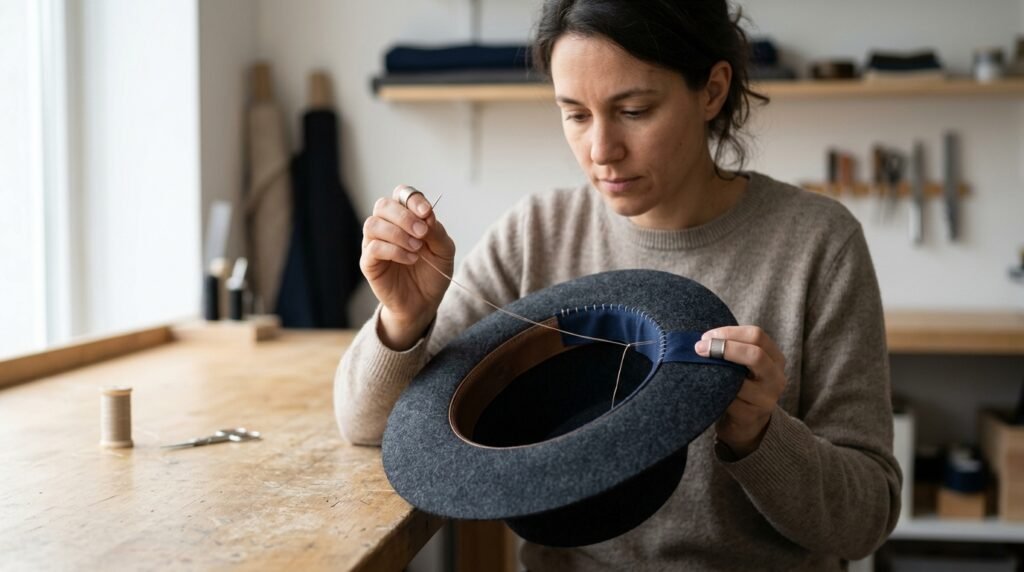
The inside band is what makes a hat comfortable to wear for extended periods. Grosgrain ribbon is the most common choice and comes in enough colors to match or complement almost any hat design.
Hat Pins
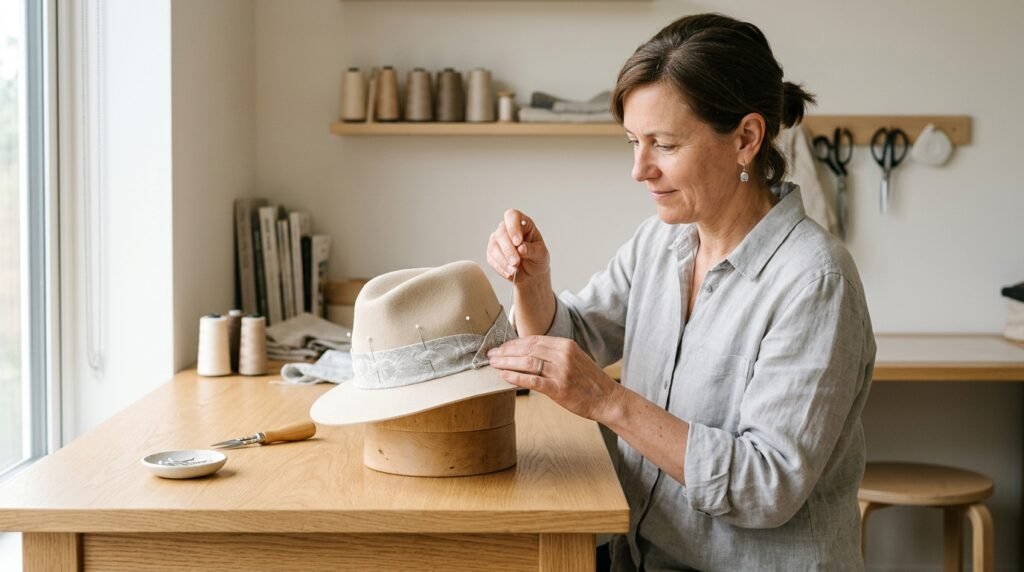
Holding pieces together accurately before stitching keeps everything aligned properly. Hat pins are longer and stronger than regular dressmaking pins and handle thicker hat fabrics without bending.
A Reliable Pattern
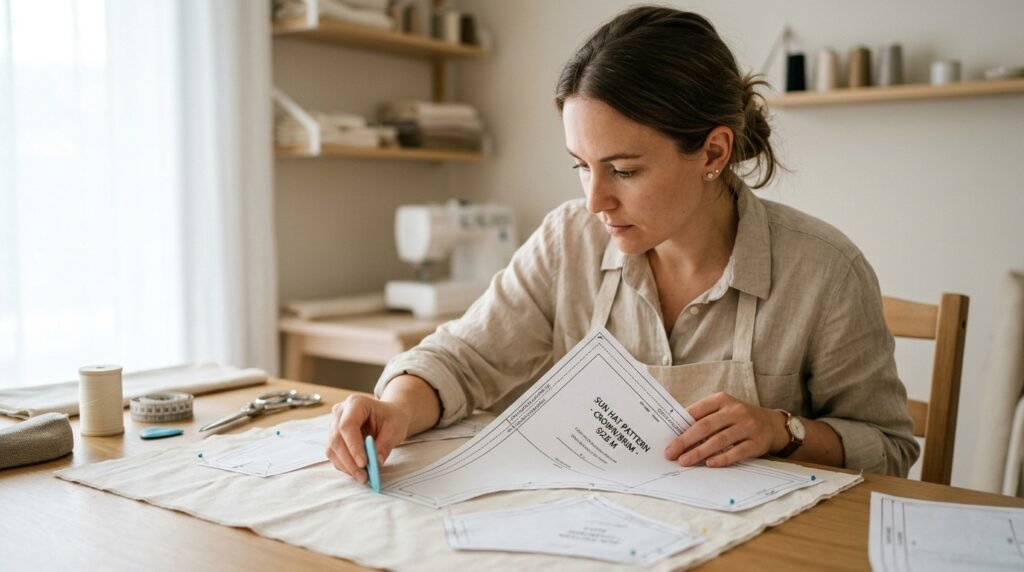
Starting with a tested pattern removes a lot of the early guesswork. Beginner friendly hat patterns are widely available and following one properly for the first few hats builds the foundational skills that make original designs possible later on.
Good Lighting
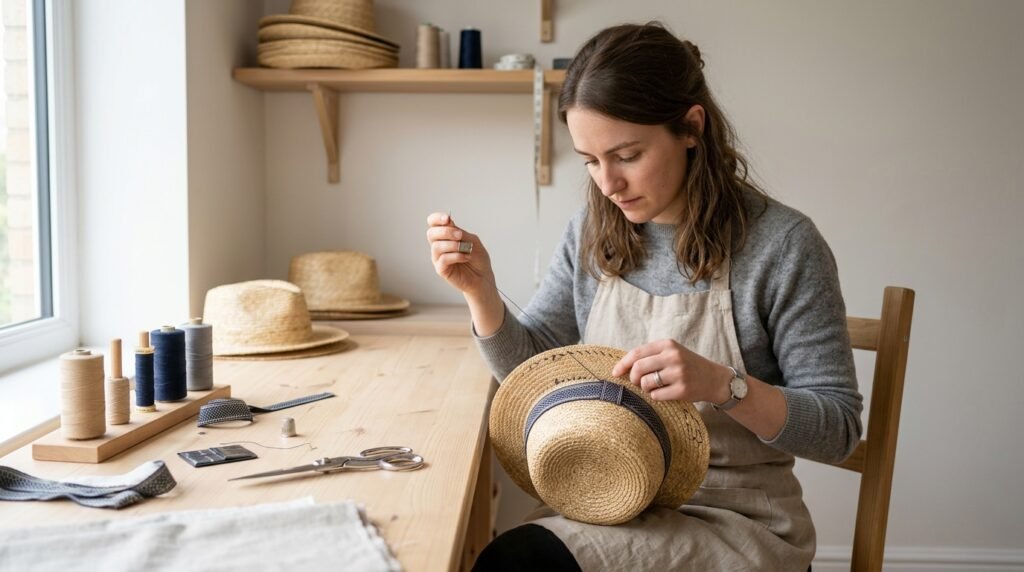
Detail work on small curved surfaces requires being able to see clearly. A well lit workspace prevents mistakes that only become visible once the hat is finished and much harder to fix.
