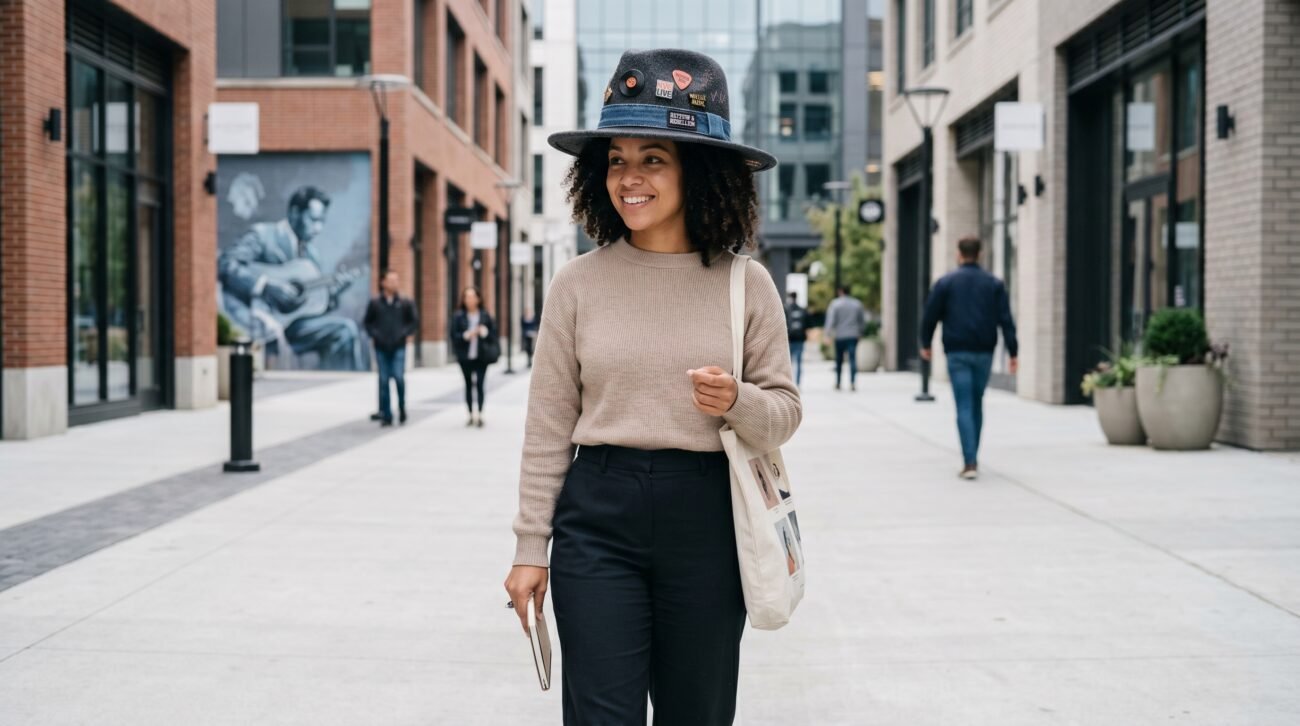
Out of rhythm comes shape – hats shaped by who wears them, not just made for heads. Voices in music became styles on sidewalks when singers started pairing songs with headgear full of attitude. Not only did tunes shift taste, they shifted tailoring. A beat led to brims built louder than words. These pieces rose from concert lights into closets everywhere, worn quiet or wild. Expression stitched into every curve and fold. Identity rides high where fabric meets face. These days, hats go beyond style – each one whispers a tale, shaped by the creators fans look up to. Musicians leave quiet marks on today’s custom hat looks, their influence sneaking in through color, symbol, or sound. Not loud proclamations, but soft echoes in stitching and shade.
Stage Impact
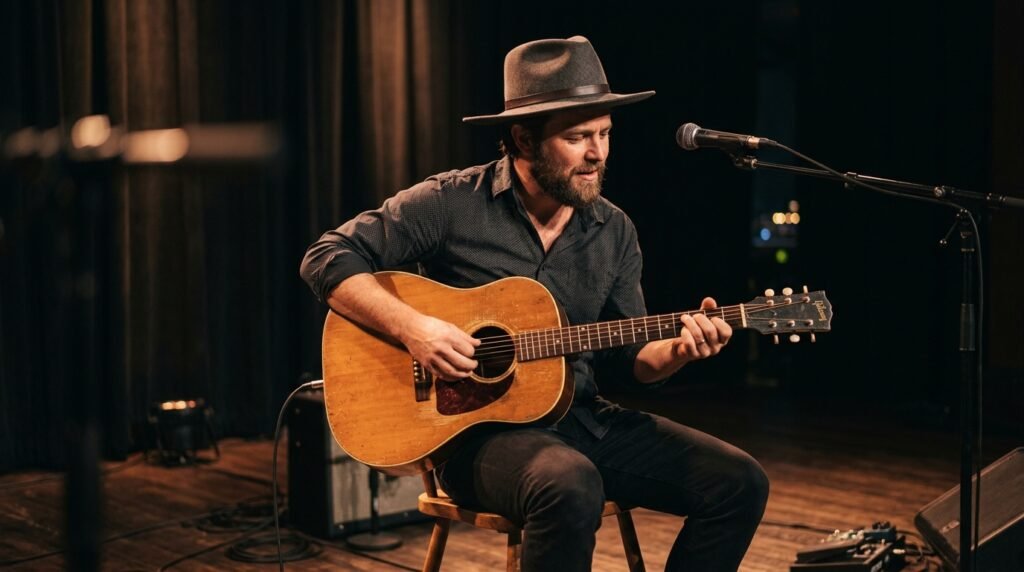
Onstage, how musicians dress counts just as much as their songs. A hat – be it bold and sweeping or worn-in and casual – can define an artist’s image. What they sport under bright lights tends to catch eyes beyond the venue.
Genre Identity
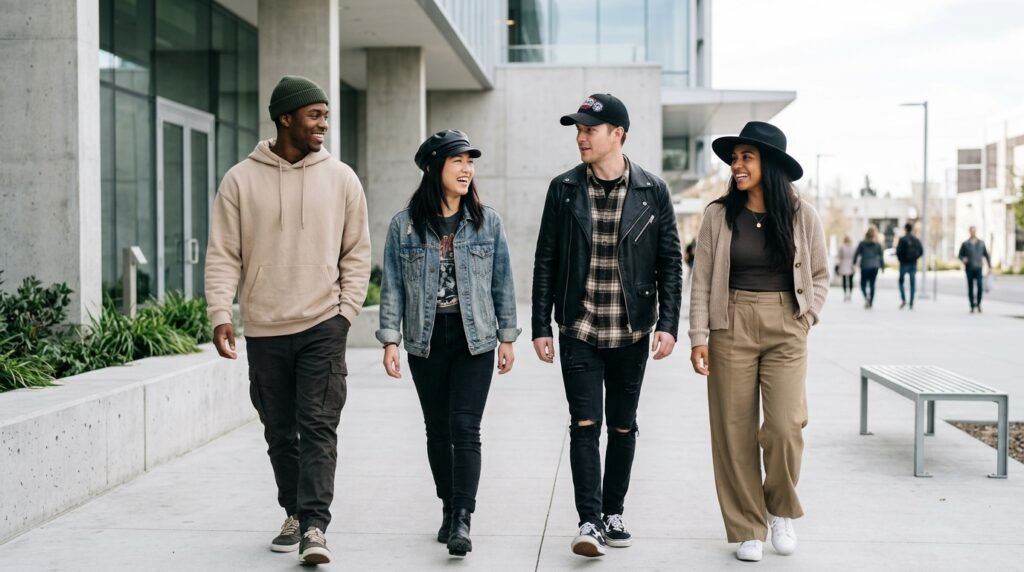
Music styles come with their own looks. Snapbacks hang low in hip-hop, where loose clothes rule, whereas torn fabrics and raw edges define rock’s edge. From those choices, hat designs grow – each shaped by rhythm, attitude, roughness, or flow.
Icon Inspiration
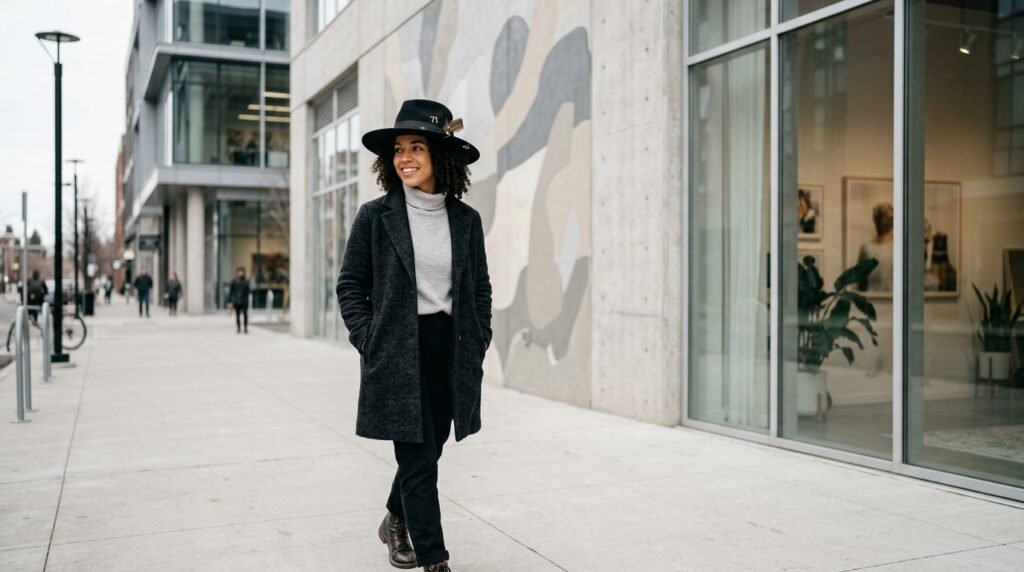
Hats take on new life when worn by figures such as Pharrell Williams or Travis Scott. Because of them, what begins as a quirky silhouette or retro cap can shift how people see headwear. These looks, once spotted, ripple through design work without warning. Instead of fading, they reappear stitched into fresh versions elsewhere.
Street Style

Offstage looks shape trends just as much as concert stages do. Style seen walking down the block tends to spark bigger shifts than spotlight fits ever could. Hats made by independent creators pull cues from daily life, mixing ease with originality that matches how people actually dress.
DIY Culture
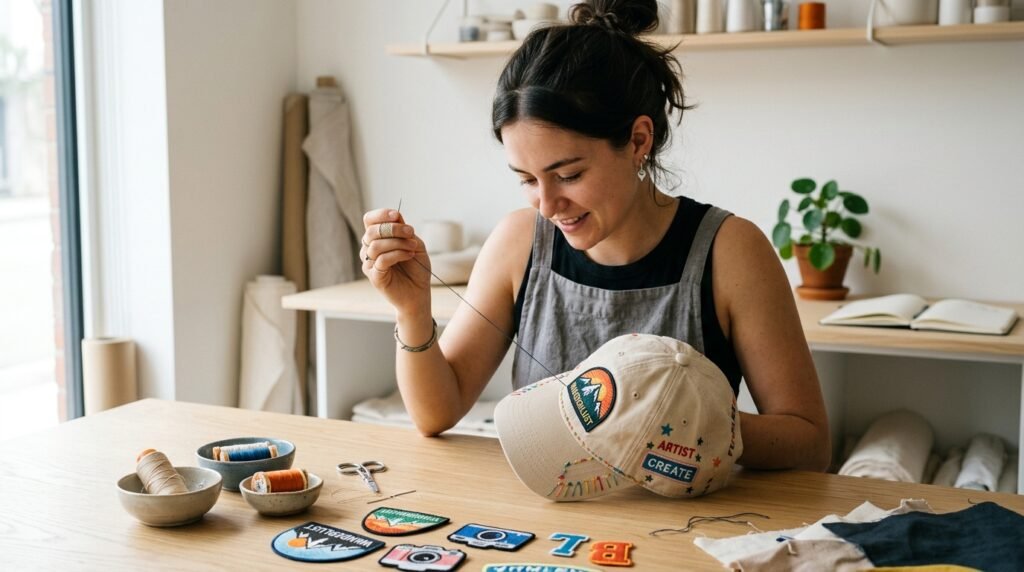
Some artists lean into rough, handcrafted looks – this vibe sparked a wave of do-it-yourself-style hats. Fastened chains, stitched patches, threadwork, even brushstroke markings show up often, making every piece feel distinct.
Cultural Blend
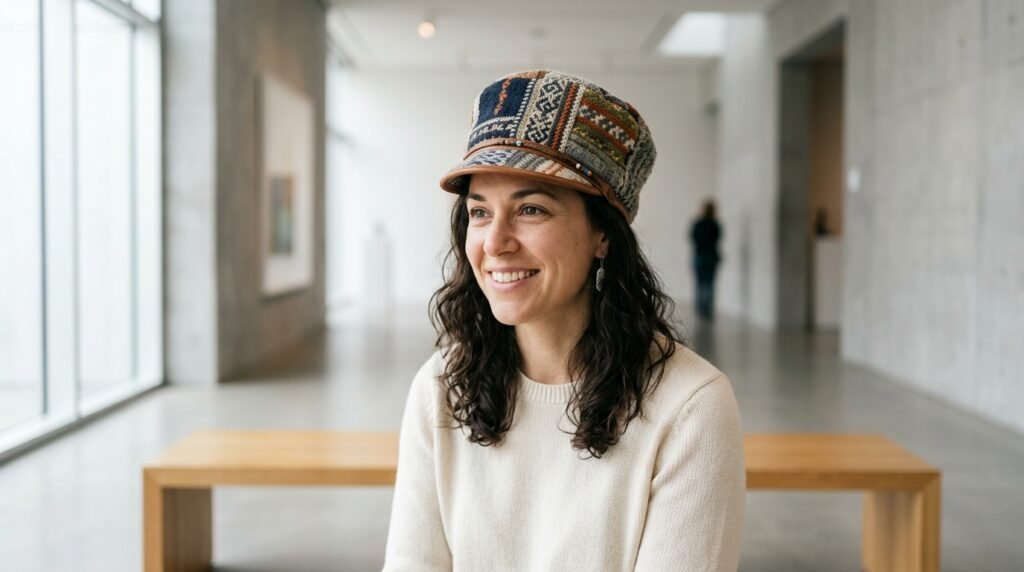
Out of rhythm comes design, just like sound shapes how we dress. Hats made by hand now carry echoes from everywhere – stitched motifs, cloth born in distant fields, meanings passed through generations – because makers pour their roots into every piece they shape.
Branding Power
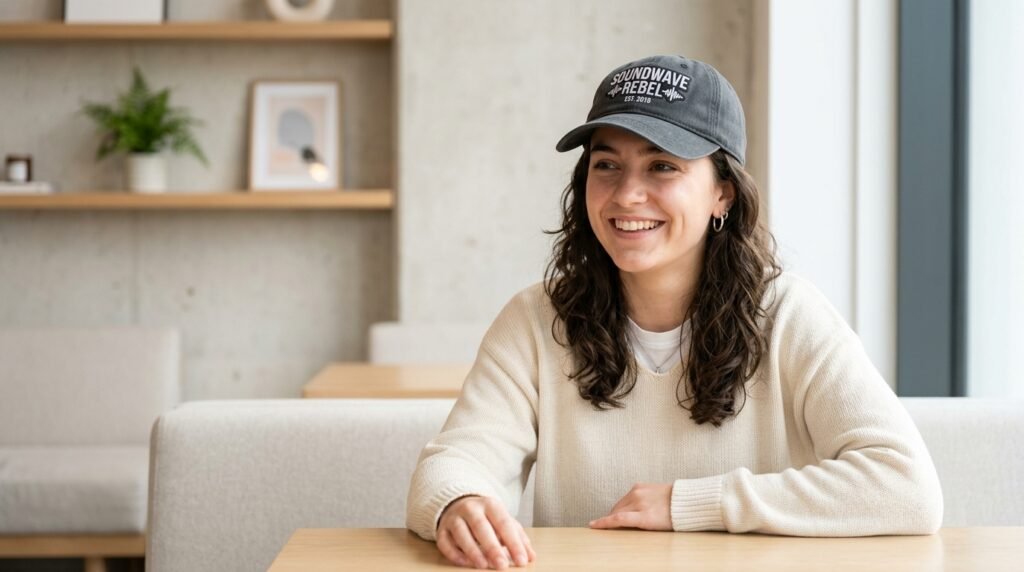
Music shapes how some artists present themselves to the world. Wearing hats stamped with marks, phrases, or icons linked to a performer helps fans feel close. These aren’t only about looks – belonging matters too.
Emotional Expression

Feelings live in music, then slip into how things look. Heavy shades, strong images, or bare layouts usually match an artist’s vibe. A unique hat can speak volumes, even when worn in silence.
Trend Evolution
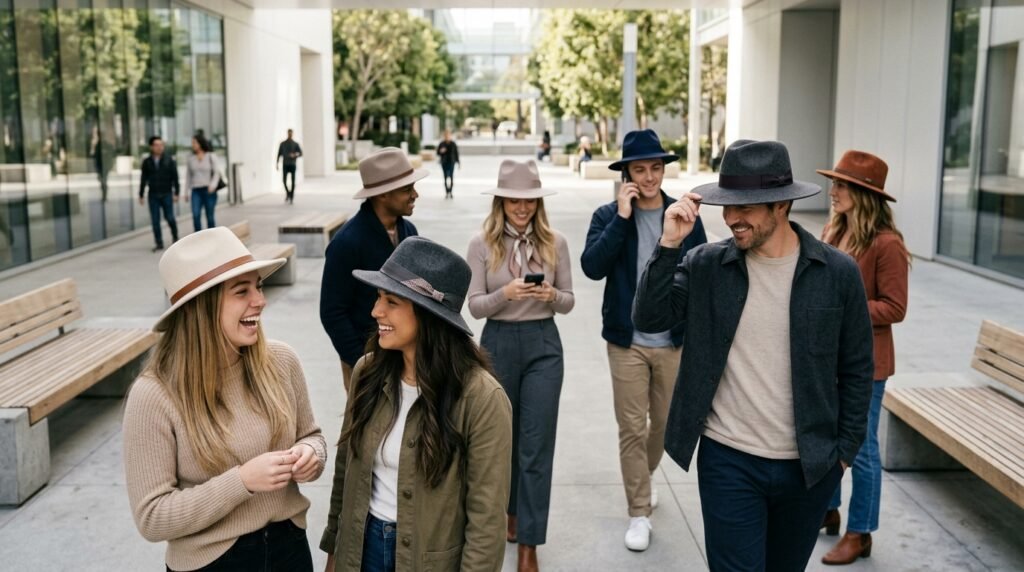
A lone creator might spark something much bigger before long. That odd-looking hat seen on stage or screen? People begin copying it in surprising ways. Watchful designers take note, reshaping ideas as fast as moods change.
Personal Identity
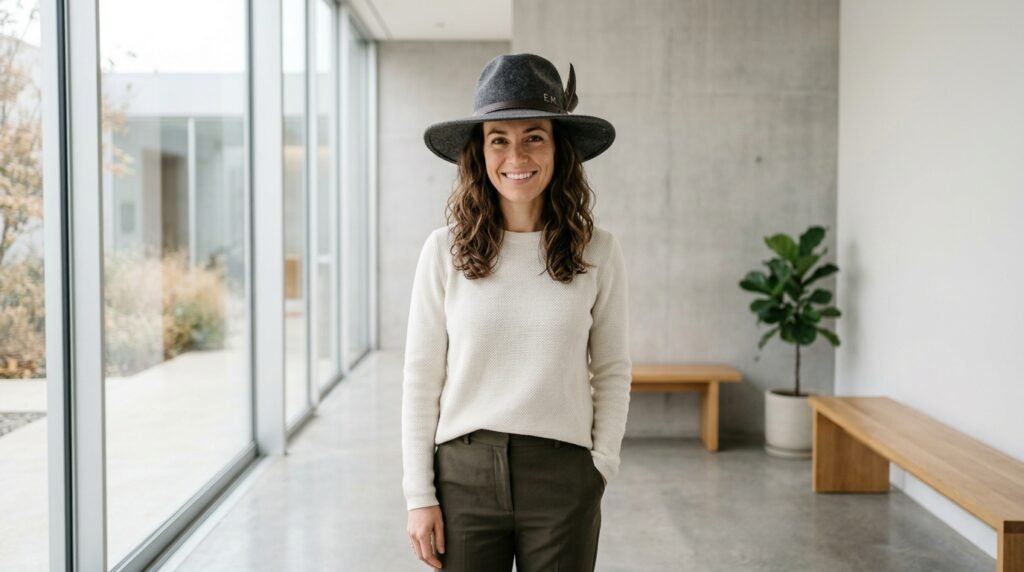
Music pushes folks toward being real – hats do too, just quieter. Not chasing trends, but hunting shapes and colors that feel like home, pulled from song vibes. A cap wears more than fabric; it carries rhythm choices made years ago.
