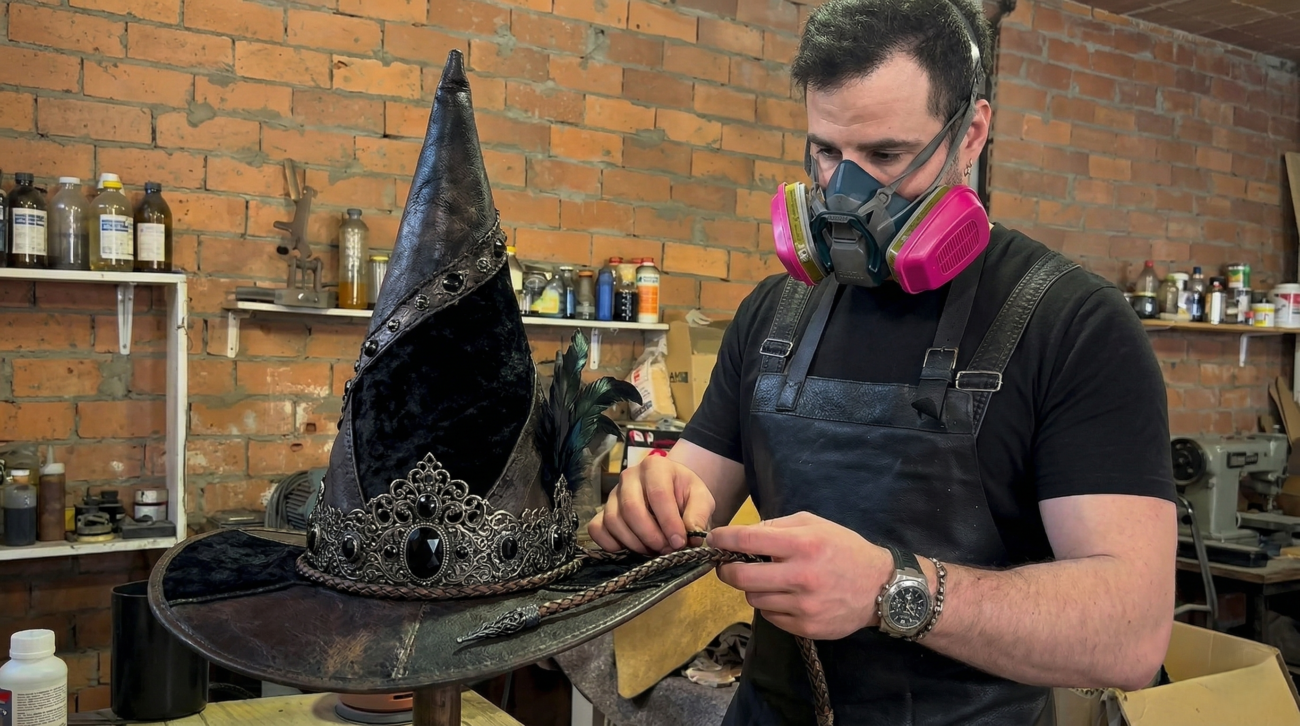
Gothic hats have evolved to be one of the most unique accessories in the rock and alternative fashion trend, since tall silhouettes cast long shadows on the stage, and spiked and veiled pieces are mysterious and rebellious. What began as echoes of Victorian lamentations has now been turned into potent icons of drama, gloom, and rebellion worn by musicians who desire attention before they even lay down a note.
Victorian Roots: Gothic Drama Foundations
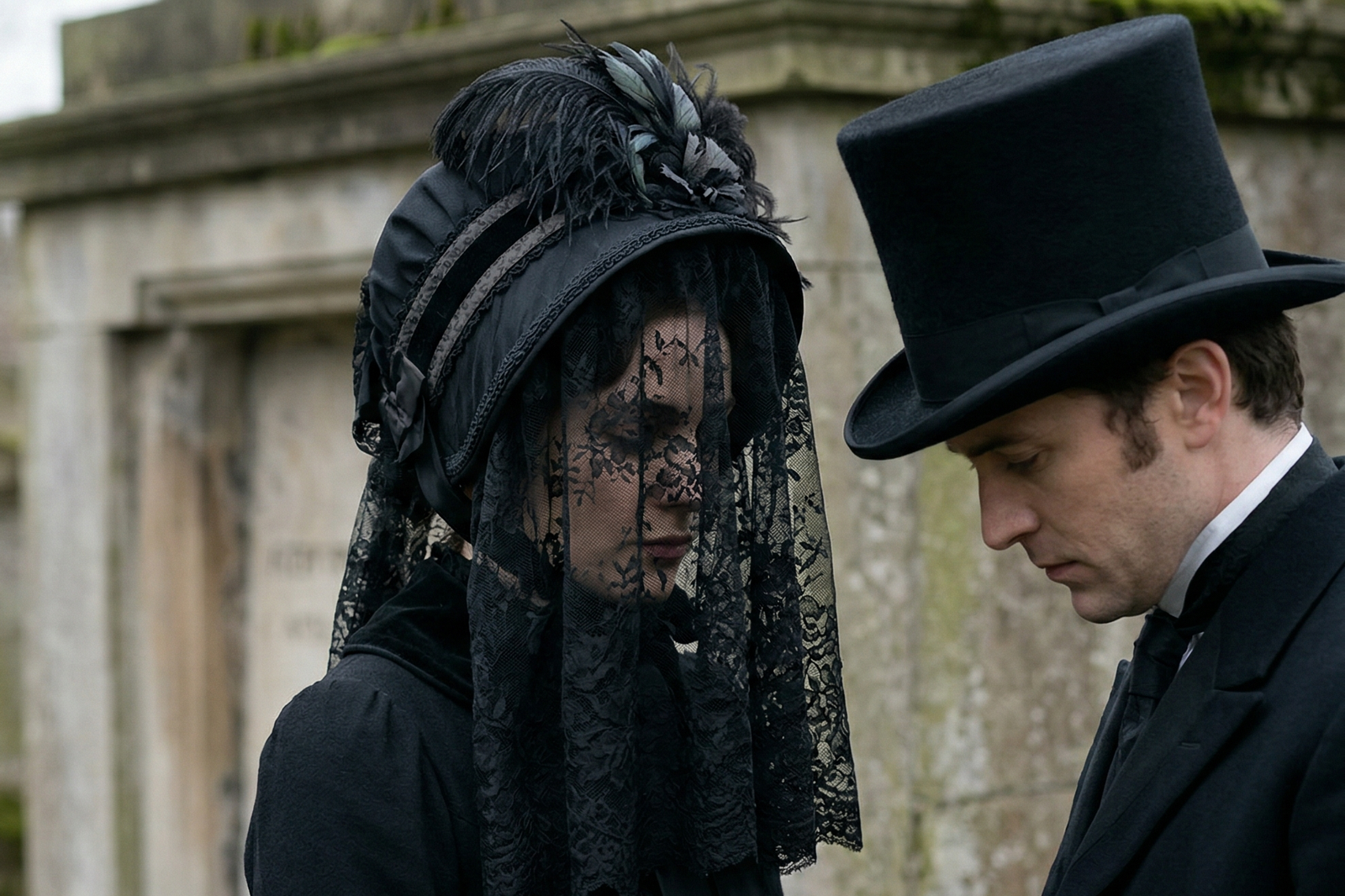
Gothic hats originated from the Victorian fascination with death, mourning, and romantic melancholy. Following Queen Victoria’s period of mourning for Prince Albert in 1861, black clothing and somber accessories became a cultural phenomenon. Men commonly wore formal top hats, often decorated with mourning bands, while women adorned themselves with extravagant bonnets, veiled fascinators, and small, forward-placed doll hats.
Post-Punk to Classic Goth: The Explosion of the 1970s to the 1980s
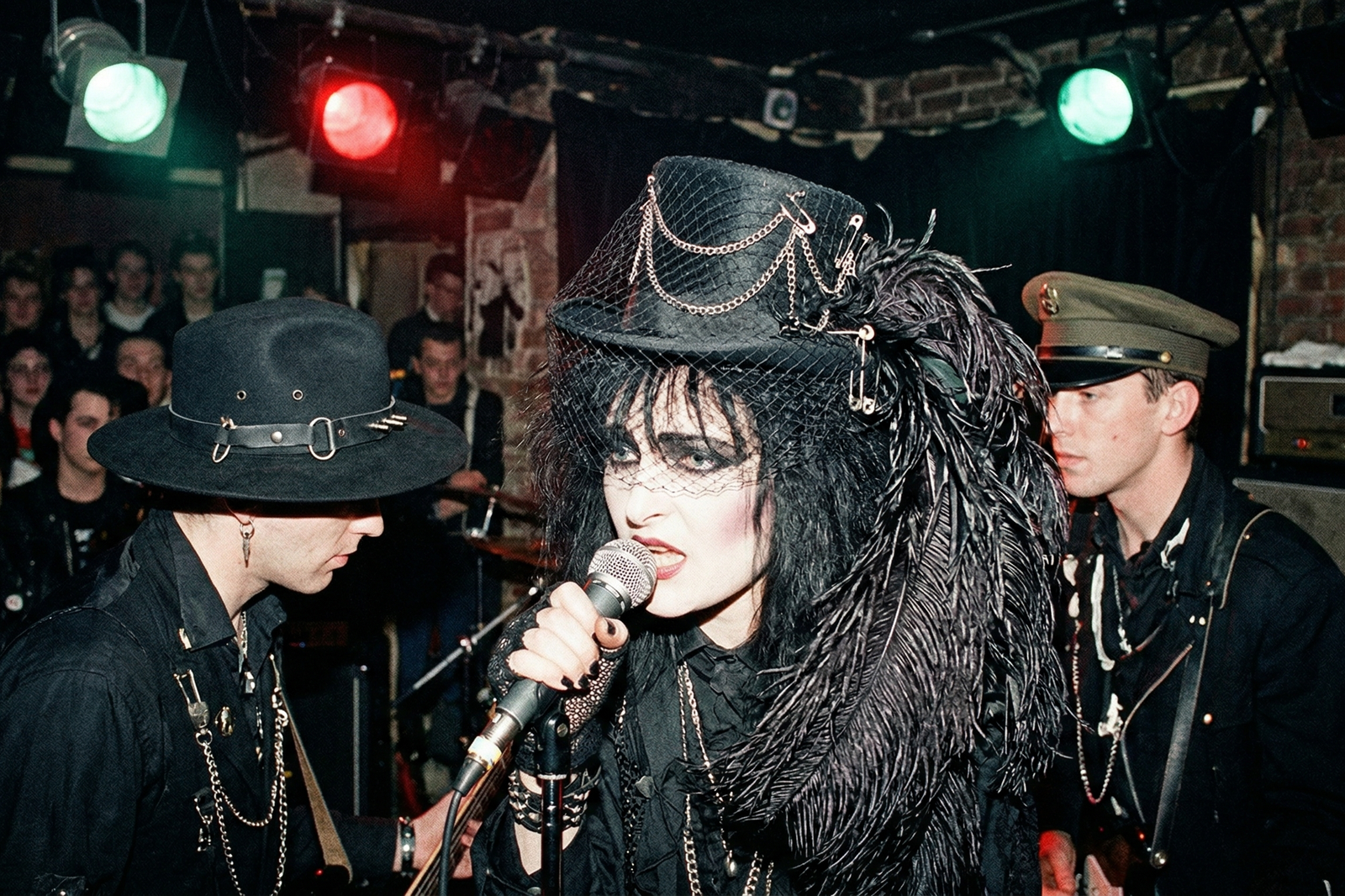
The post-punk and new goth movements in and around the Batcave club in London in the late 1970s and 1980s had merged punk energy with Victorian romanticism, making hats a key weapon of theatrical self-presentation among bands such as Bauhaus, Siouxsie and the Banshees, and The Cure. Top hats were veiled, chained, or feathered to give an undead aristocrat appearance, and broad-brimmed fedoras and military-style caps in black felt.
Hard Rock and Metal: The Making of Top Hats Rebellious
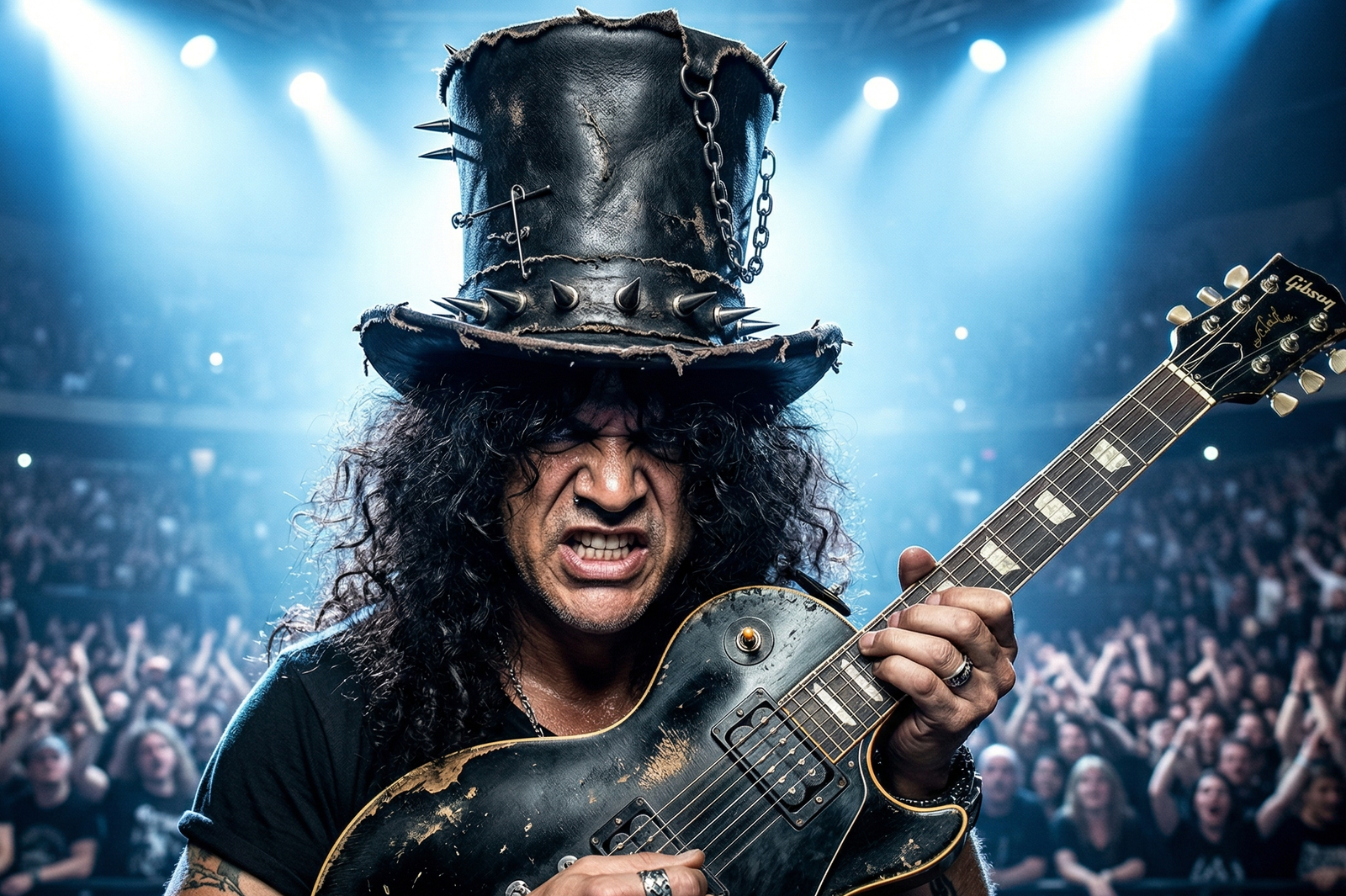
With the gothic top hat, mainstream rock immortality was achieved by the hands of guitarists and shock rockers who removed the upper-class pretense of the hat and added to it a rough attitude and extravagance. The top hat became a signature of evil vaudeville-horror in the 1970s courtesy of Alice Cooper, who wore his during his Welcome to My Nightmare period.
2000s-2010s: Subgenre Diversification and Witchy Revival
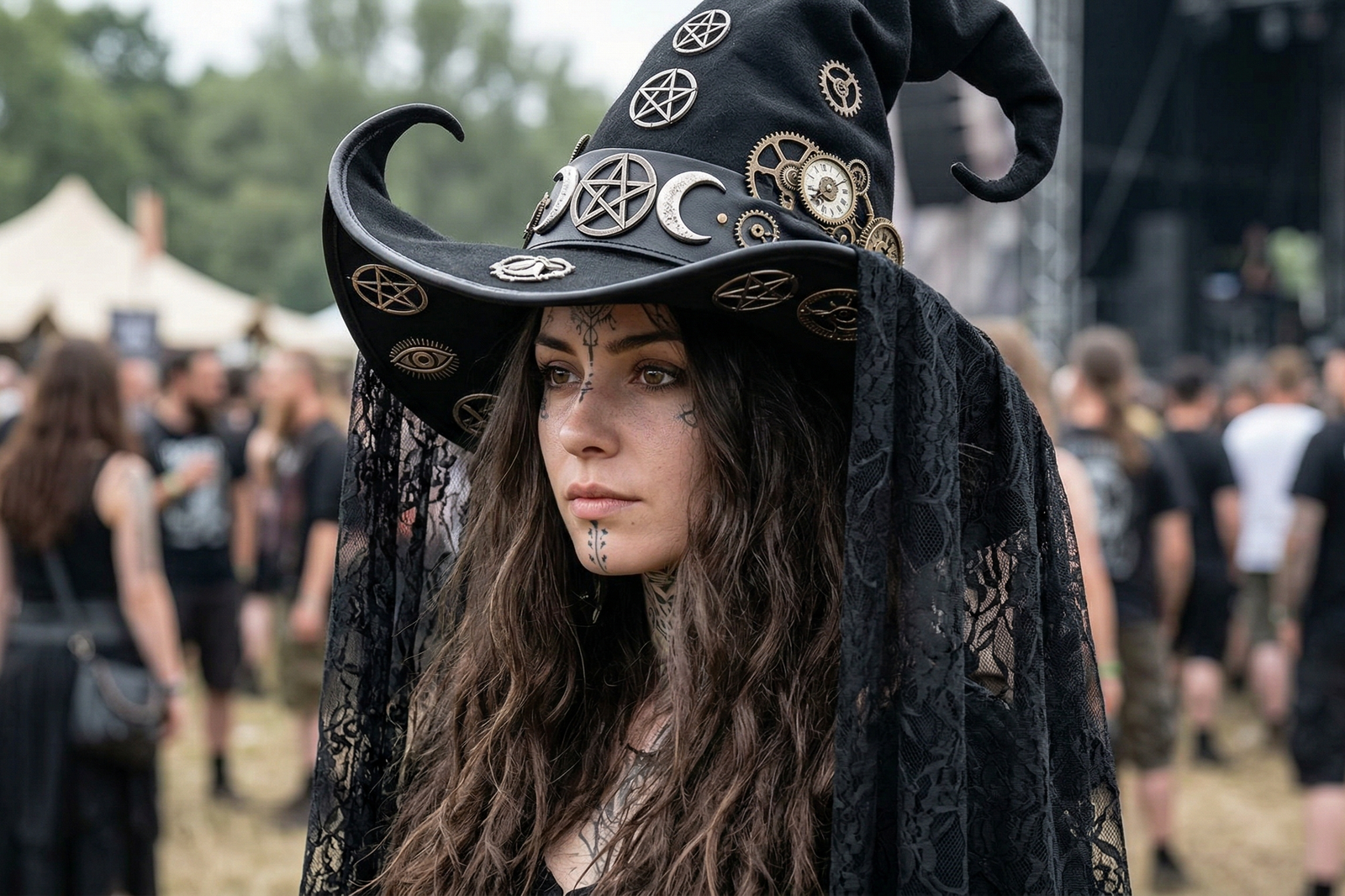
As goths became more stratified into subgenres, such as romantic goth, Victorian goth, and witchy, the hats were increasingly varied with lavish top hats, lace-veiled fascinators, and wide-brim witch hats with curved edges, occult imagery, or pentagramic decoration. This was the time of the explosion of custom items that incorporate elements of steampunk with traditional goth, allowing fans and artists to combine historical beauty with modern sharpness in festival style and daily alternative wear.
Gothic Hats in Modern Times: Onstage and Onstreet

The 2020s gothic hats are worn in a mix-and-match culture where wide-brimmed witch fedoras in matte black or velvet are worn with band tees and platform shoes, and miniature top hats, spiked leather creations, and cathedral-style hats are seen at concerts and on social media. Modern variations are usually eco-friendly and gender-neutral, which ensures that the accessory remains topical as both a small everyday act of casual goth and a dramatic one during performances and events.
The Reason Gothic Hats Survive Rock Fashion
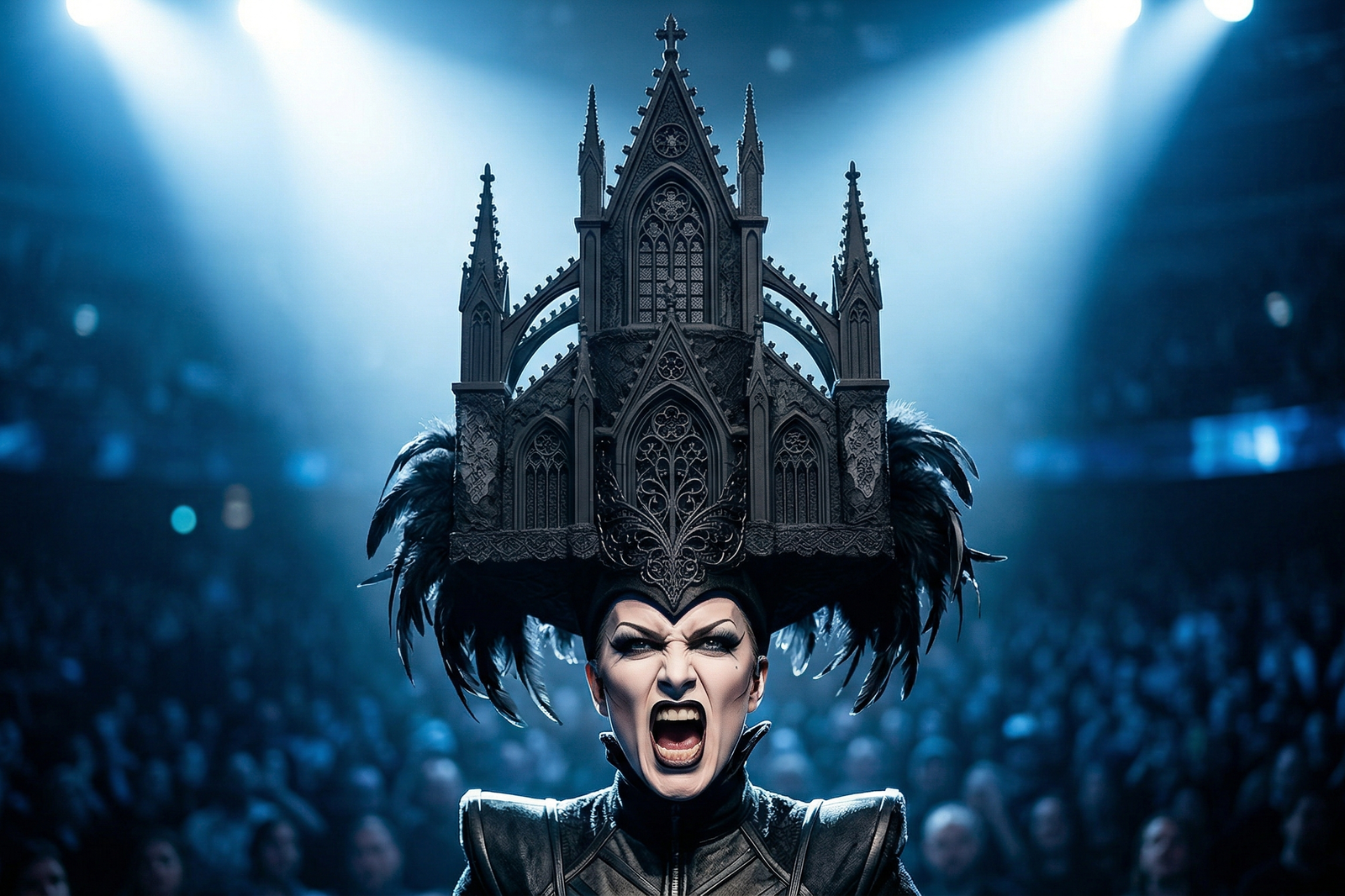
The reason gothic hats survive in rock fashion is that they provide immediate dramatic effect and mystery, enhance the presence of a performer, and, in a genre that is founded on theater and rebellion, denote otherness and defiance. Headpieces have evolved from Victorian mourning veils to Slash’s iconic top hat and modern wide-brim occult hats, maintaining themes of darkness, sophistication, and individuality.
