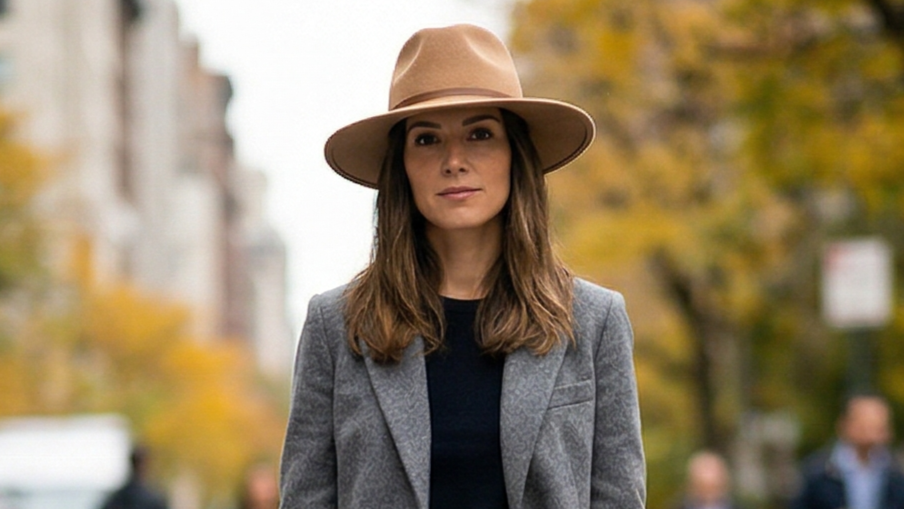
There is a reason fashion houses from Prada to Hermes and Dior have made hats central to their recent collections. A well-chosen hat does something no other accessory quite manages: it signals intentionality. Anyone can put on a good outfit, but topping it with the right hat tells the room you thought about it. From the felt fedora to the quiet luxury baseball cap, the rules for pulling this off are simpler than they look, and the impact is immediate. Here is how to use a single hat to bring an unmistakable elevated edge to whatever you are already wearing.
Choose a hat with structure, not just warmth
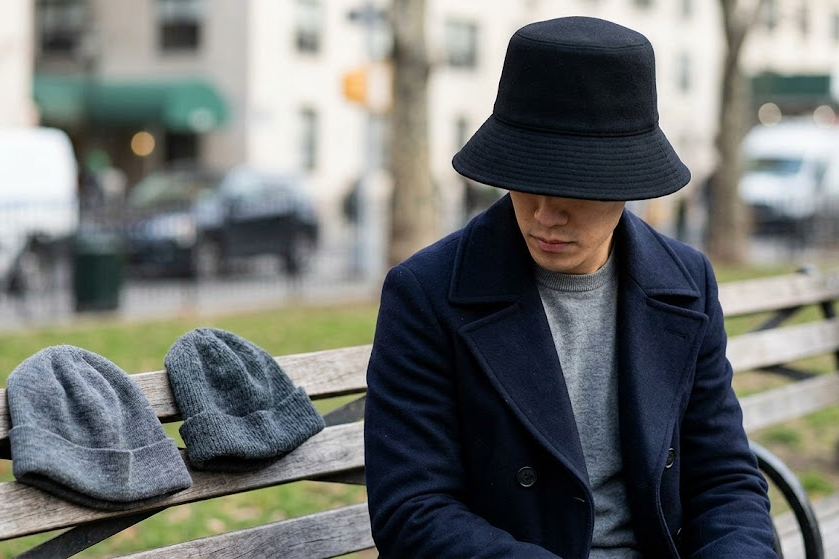
The fastest way a hat reads as elite rather than casual is structure. A shapeless beanie or a faded cap signals comfort; a wool fedora, a rigid-brimmed bucket, or a sculpted newsboy cap signals style. Runway collections from Prada and Chanel consistently reach for structured silhouettes because they command the eye. The shape does the heavy lifting before a single outfit element comes into play.
Match the fabric of the hat to the weight of the outfit
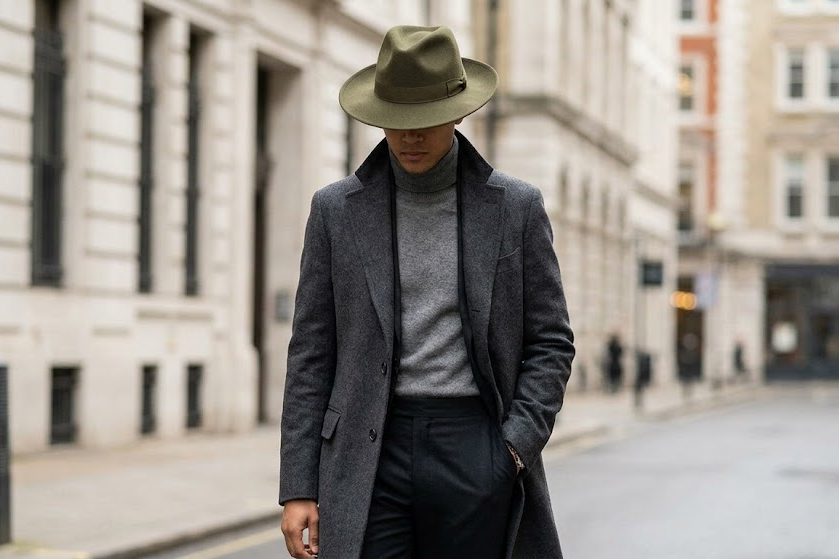
A velvet or wool hat dropped onto a linen summer look creates friction. A lightweight straw or canvas style on a heavy coat does the same. The elevated effect comes from harmony: felt and tweed hats with tailored or layered pieces, straw and raffia with relaxed warm-weather dressing, and luxe knits with cozy neutral knitwear. When the fabrics belong in the same season and register, the whole look reads as considered.
The fedora, for instant city-chic authority
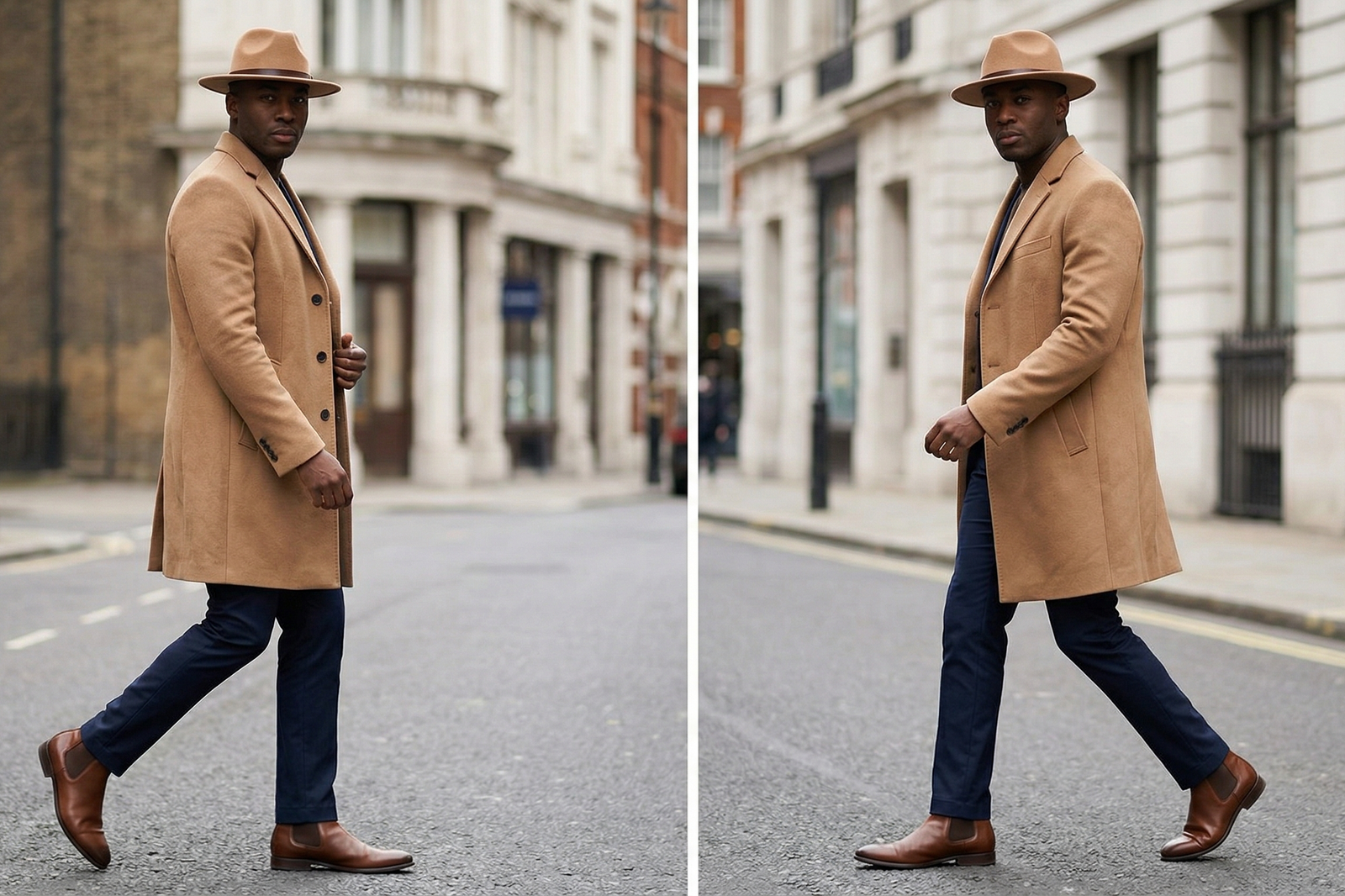
The felt fedora remains the single most versatile hat for projecting a polished, fashion-forward image. Paired with a tailored coat and straight-leg trousers it becomes uptown elegance. Worn with jeans and a simple knit it becomes expensive-looking casual. The key is always to let the hat be the focal point and keep everything beneath it clean, fitted, and unfussy. Do not compete with it.
The beret, for effortless Parisian refinement
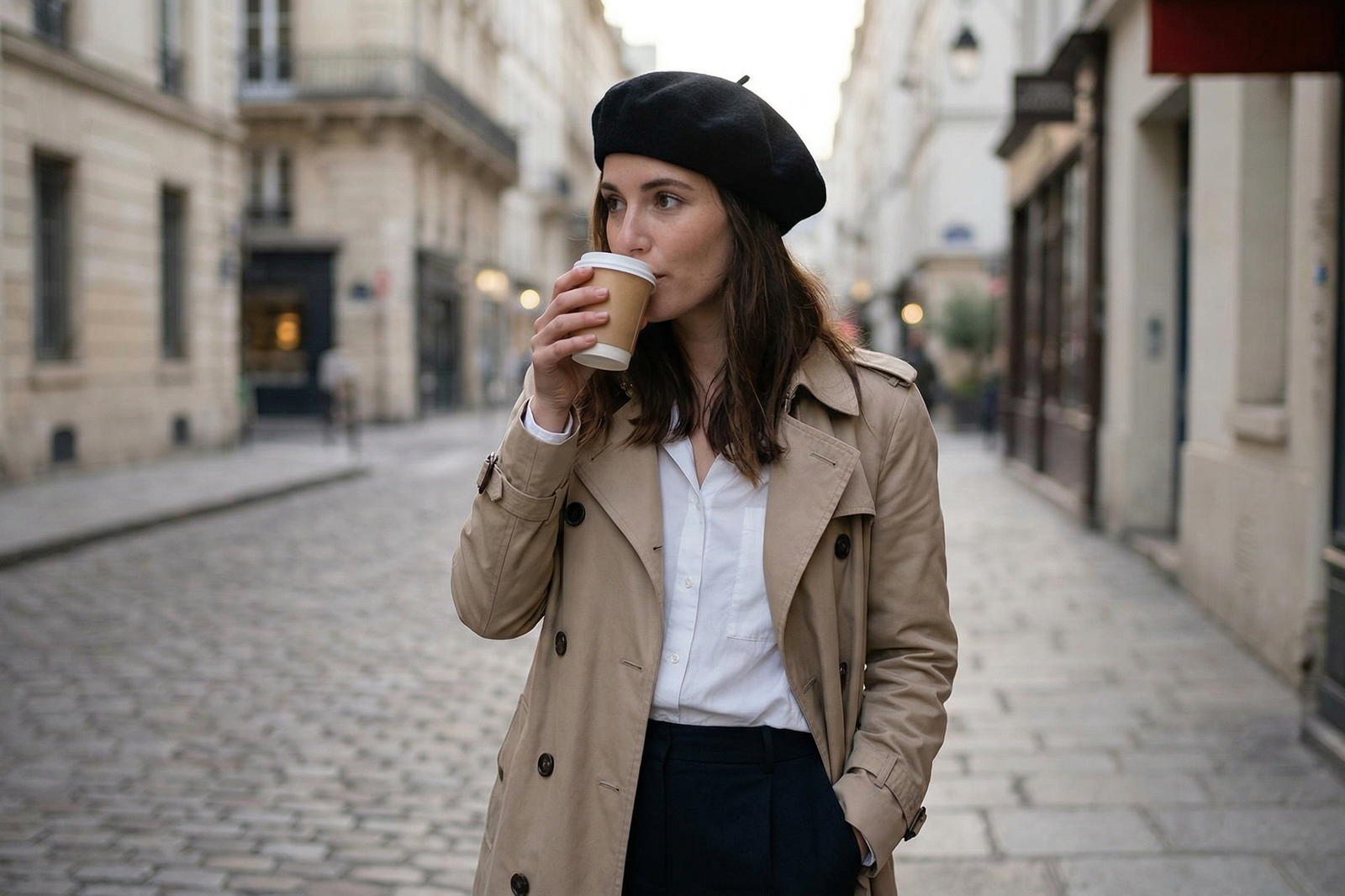
Few hats carry as much cultural shorthand as the beret. Worn at a slight angle with a trench coat or a long wool coat, it signals a kind of effortless sophistication that looks studied without appearing to try. The trick is the tilt: worn flat it reads costume, worn at a natural lean it reads Parisian. Embroidered or embellished versions add an extra layer of intentionality without requiring any other accessory to do so.
The baseball cap, for quiet luxury done right
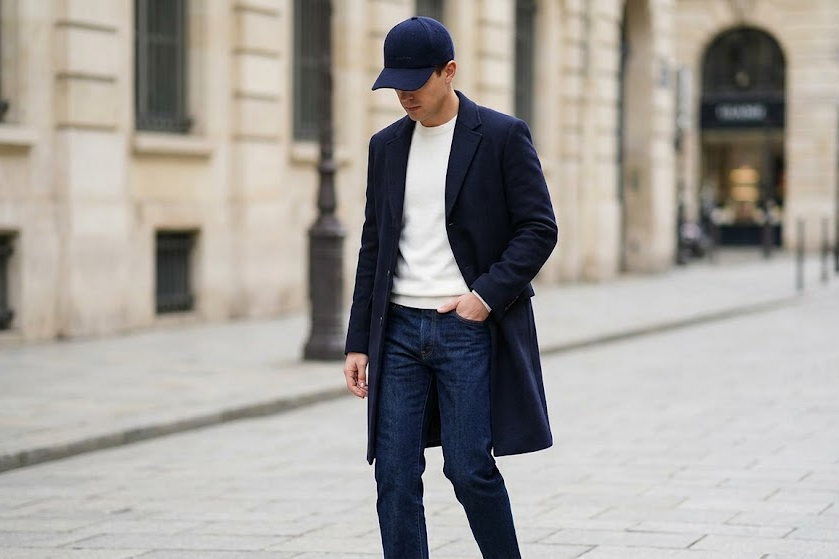
The baseball cap has graduated from sportswear shorthand to a genuine status signal, provided the execution is right. Fashion editors and street style regulars reach for caps in luxe materials with minimal or tonal branding, pairing them with great outerwear and clean basics. A structured cap with a tailored coat and simple jeans is, as fashion editors put it, the easiest elevated formula in the book.
Match the hat to your face shape, not just your outfit
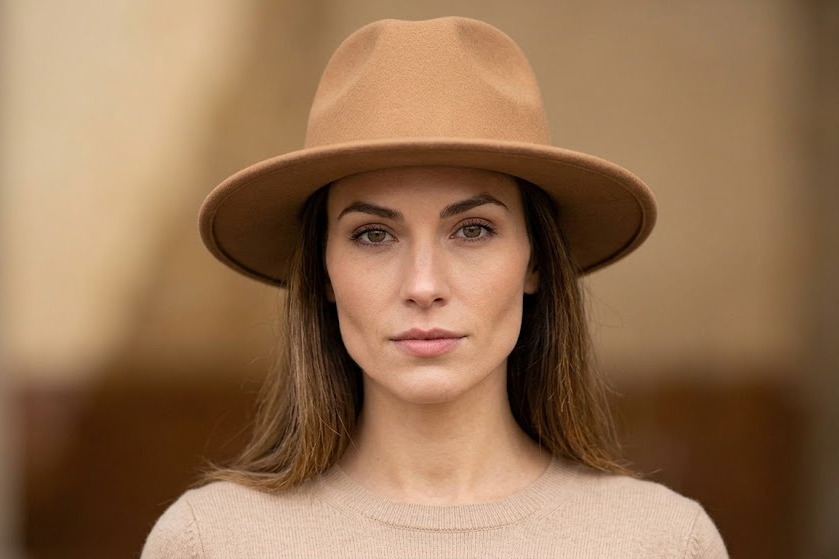
Even the most expensive hat kills a look if the proportions are wrong. Angular styles like fedoras and structured caps balance rounder faces. Soft, curved brims and cloche styles flatter square jawlines. Wide-brimmed hats work beautifully with heart-shaped faces by drawing the eye downward. Getting this right means the hat looks like it belongs on your head specifically, which is precisely the impression an elite aura requires.
Keep your colour palette tight and tonal
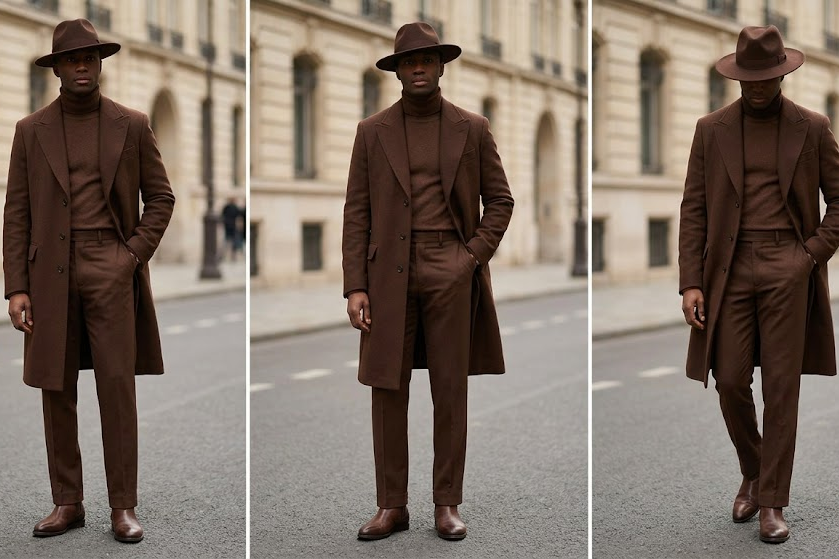
The elevated hat looks that stop people on the street almost always share one quality: restraint. A hat in a neutral or tonal shade that either matches or intentionally contrasts with one anchor piece in the outfit creates cohesion rather than chaos. Camel, chocolate, black, ivory, and deep navy are the most reliably chic hat shades because they connect easily to the rest of a wardrobe without demanding to be the loudest thing in the room.
Wear it with conviction, not adjustment
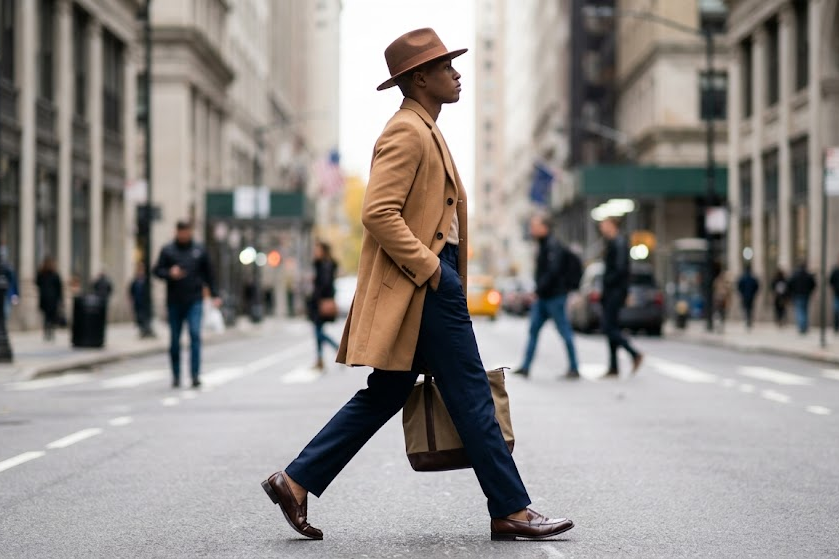
The difference between a hat that looks like a choice and a hat that looks like an accident is almost entirely confidence. Fashion stylists and editors agree that the most important element of any hat look is wearing it as if it was always meant to be there, not constantly touching, tilting, or second-guessing it. Once it is on, let the rest of the outfit carry through and resist the urge to fuss. The hat knows what it is doing.
